
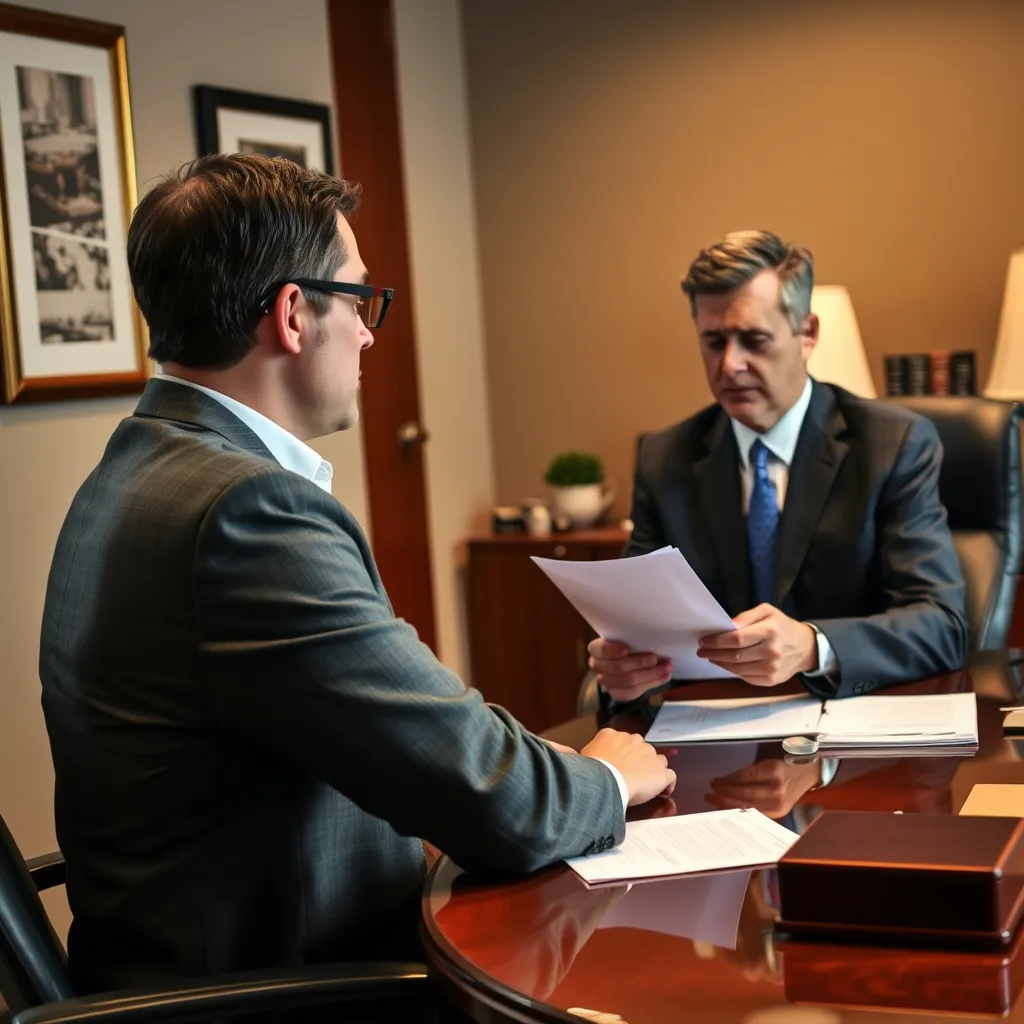
Note: This article is confirmed by Law Offices Of SRIS, P.C.
WRITTEN BY: Mr. Sris
Since 1997, Mr. Sris has led the firm, focusing on the most challenging criminal and family law cases… His background in accounting and information management aids in financial and technology-related cases… Involved in significant legislative changes in Virginia.
Insight: My focus since founding the firm in 1997 has always been directed towards personally handling the most challenging and involved criminal and family law matters our clients face.
Insight: I find my background in accounting and information management provides a unique advantage when handling the intricate financial and technological aspects inherent in many modern legal cases.
Insight: As someone deeply involved in the community, I believe it’s important to not only practice law but also to actively participate in shaping it, which is why I dedicated effort towards amending Virginia Code § 20-107.3 and achieving state recognition for cultural milestones.
Premises Liability Lawyer Springfield VA
What is Premises Liability
Premises liability establishes legal accountability for property owners when injuries happen on their premises. This legal concept applies to various property types including residential homes, commercial buildings, retail spaces, and public areas. The foundation rests on the duty of care property owners owe to individuals legally present on their property.
Property owners must maintain reasonably safe conditions and address known hazards. This includes regular inspections, prompt repairs of dangerous conditions, and adequate warnings about potential risks. Different standards apply based on visitor status: invitees (business customers), licensees (social guests), and trespassers receive varying levels of protection under Virginia law.
Common premises liability cases involve slip and fall incidents, inadequate security leading to assaults, dog bites, swimming pool accidents, and injuries from falling objects. Each situation requires specific legal analysis to determine liability. The injured party must demonstrate the property owner knew or should have known about the hazardous condition and failed to take appropriate action.
Legal proceedings involve gathering evidence, documenting injuries, and establishing the connection between the property condition and resulting harm. Medical records, incident reports, photographs, and witness statements form the basis of these claims. Time limits apply for filing lawsuits, making prompt legal consultation vital.
How to Handle a Property Injury Claim
Following a property injury, immediate actions significantly impact your claim’s success. First priority is medical attention—even for seemingly minor injuries, as some conditions manifest later. Medical records create essential documentation linking injuries to the incident.
Document the scene thoroughly. Photograph the exact location, hazardous condition, lighting, and any contributing factors. Include wide shots showing context and close-ups detailing specific hazards. Note weather conditions, time of day, and any warnings or lack thereof. Collect contact information from witnesses who saw what happened.
Report the incident to the property owner or manager immediately. Request a written incident report and obtain a copy. Avoid providing detailed statements about fault or accepting blame. Stick to factual descriptions without speculation about causes.
Preserve evidence including clothing worn during the incident and any damaged personal property. Keep records of all medical visits, treatments, prescriptions, and related expenses. Document lost wages and how injuries affect daily activities.
Consult legal representation early in the process. An attorney evaluates your case, identifies liable parties, and advises on communication with insurance companies. Insurance adjusters often seek statements that minimize claims, so legal guidance protects your interests.
Virginia follows modified comparative negligence rules, meaning your compensation may reduce if you’re found partially at fault. Understanding these legal principles helps manage expectations and strategy.
Can I Sue for Unsafe Property Conditions
Legal action for unsafe property conditions requires establishing specific elements under Virginia law. The injured party must prove the property owner owed a duty of care, breached that duty through negligence, and this breach directly caused injuries resulting in damages.
Duty of care varies based on visitor classification. Business visitors (invitees) receive the highest protection—property owners must inspect for hazards and correct dangerous conditions. Social guests (licensees) receive protection against known dangers the owner fails to warn about. Trespassers generally receive minimal protection, except for children under attractive nuisance doctrine.
Establishing negligence involves showing the property owner knew or should have known about the hazardous condition. “Should have known” means a reasonable property owner would have discovered the hazard through regular inspections. The timeframe between when the owner knew and when the injury occurred matters significantly.
Common unsafe conditions include wet floors without warning signs, uneven walking surfaces, poor lighting in parking areas, broken handrails, accumulated ice or snow, hidden steps, and inadequate security in high-crime areas. Each requires specific evidence showing how the condition created unreasonable risk.
Defenses property owners use include claiming the hazard was open and obvious, the injured person was trespassing, or the person contributed to their own injury through carelessness. Virginia’s comparative negligence system affects compensation if the injured party shares fault.
Statute of limitations for personal injury claims in Virginia is generally two years from the injury date. Missing this deadline typically bars recovery, making timely action essential.
Why Hire Legal Help for Premises Liability
Professional legal assistance transforms premises liability claims by bringing knowledge, resources, and strategic advantage. Attorneys understand Virginia’s specific legal standards, court procedures, and evidentiary requirements that non-lawyers typically miss.
Legal teams conduct thorough investigations, gathering evidence that establishes liability and damages. This includes obtaining security footage, maintenance records, incident reports, and attorney testimony when needed. They identify all potentially liable parties—property owners, managers, maintenance companies, or contractors.
Accurate damage calculation is vital. Attorneys account for current medical expenses, future treatment needs, lost income, reduced earning capacity, and non-economic damages like pain and suffering. Insurance companies often undervalue these elements without legal pushback.
Negotiation with insurance adjusters requires specific skills. Attorneys recognize common tactics like quick low settlements, recorded statements used against claimants, and delays hoping claimants will accept less. They counter these strategies while protecting clients’ rights.
When settlements aren’t fair, attorneys prepare for litigation. This involves filing proper pleadings, conducting discovery, deposing witnesses, and presenting cases at trial. The mere presence of legal representation often improves settlement offers before trial.
Legal guidance helps avoid procedural mistakes that could jeopardize claims. This includes meeting filing deadlines, following proper notice requirements, and preserving evidence according to legal standards. Attorneys also advise on communication strategies that protect clients’ positions.
FAQ:
What is premises liability?
Premises liability holds property owners responsible for injuries caused by unsafe conditions on their property. This includes hazards like wet floors or poor lighting.
How long do I have to file a claim?
Virginia generally allows two years from the injury date to file a premises liability lawsuit. Missing this deadline usually prevents recovery.
What should I do immediately after a property injury?
Seek medical attention first, then document the scene with photos. Report the incident to the property owner and contact legal counsel.
Can I sue if I was partially at fault?
Virginia uses comparative negligence. You can still recover if less than 50% at fault, but compensation reduces by your percentage of fault.
What damages can I recover?
Compensation may include medical bills, lost wages, pain and suffering, and future treatment costs. Each case varies based on specific circumstances.
Do I need a lawyer for a premises liability claim?
Legal representation helps maximize compensation and handle involved procedures. Insurance companies often offer better settlements when attorneys are involved.
What evidence is important for my case?
Key evidence includes photos of the hazard, medical records, witness statements, incident reports, and documentation of your injuries and expenses.
How are property owners notified of hazards?
Owners must have actual knowledge or constructive knowledge—meaning they should have discovered the hazard through reasonable inspections.
What if the hazard was obvious?
Property owners may argue open and obvious hazards relieve them of liability. However, this defense has limitations under specific circumstances.
How long does a premises liability case take?
Timelines vary from months for straightforward settlements to years for involved litigation. Each case progresses based on specific facts and legal issues.
What costs are involved in hiring a lawyer?
Many premises liability attorneys work on contingency fees, meaning they receive payment only if you recover compensation through settlement or verdict.
Can I handle negotiations myself?
While possible, insurance adjusters are trained to minimize payouts. Legal representation typically results in better outcomes through professional negotiation.
Past results do not predict future outcomes