
Note: This article is confirmed by Law Offices Of SRIS, P.C.
WRITTEN BY: Mr. Sris
Since 1997, Mr. Sris has led the firm, focusing on the most challenging criminal and family law cases… His background in accounting and information management aids in financial and technology-related cases… Involved in significant legislative changes in Virginia.
Insight: My focus since founding the firm in 1997 has always been directed towards personally handling the most challenging and involved criminal and family law matters our clients face.
Insight: I find my background in accounting and information management provides a unique advantage when handling the intricate financial and technological aspects inherent in many modern legal cases.
Insight: As someone deeply involved in the community, I believe it’s important to not only practice law but also to actively participate in shaping it, which is why I dedicated effort towards amending Virginia Code § 20-107.3 and achieving state recognition for cultural milestones.
Nursing Home Abuse Lawyer Tysons VA
What is Elder Abuse in Nursing Homes
Elder abuse in nursing homes encompasses various forms of mistreatment that residents may experience. Physical abuse involves intentional harm through hitting, pushing, or improper restraint. Emotional abuse includes verbal threats, humiliation, or isolation from social activities. Financial exploitation occurs when staff or others misuse a resident’s funds or property. Neglect represents failure to provide necessary care, leading to health decline.
Identifying abuse requires attention to specific indicators. Unexplained injuries, sudden weight loss, or poor hygiene may signal problems. Behavioral changes like withdrawal or fear around certain staff members can indicate emotional distress. Missing personal items or unusual financial transactions might suggest exploitation. Regular visits and communication with residents help detect these warning signs.
Legal responses to suspected abuse involve specific steps. Documenting observations with dates and details creates important records. Reporting concerns to facility administrators initiates internal review processes. Contacting state regulatory agencies ensures proper investigation. Seeking medical evaluation establishes evidence of physical harm. These actions create a foundation for addressing the situation.
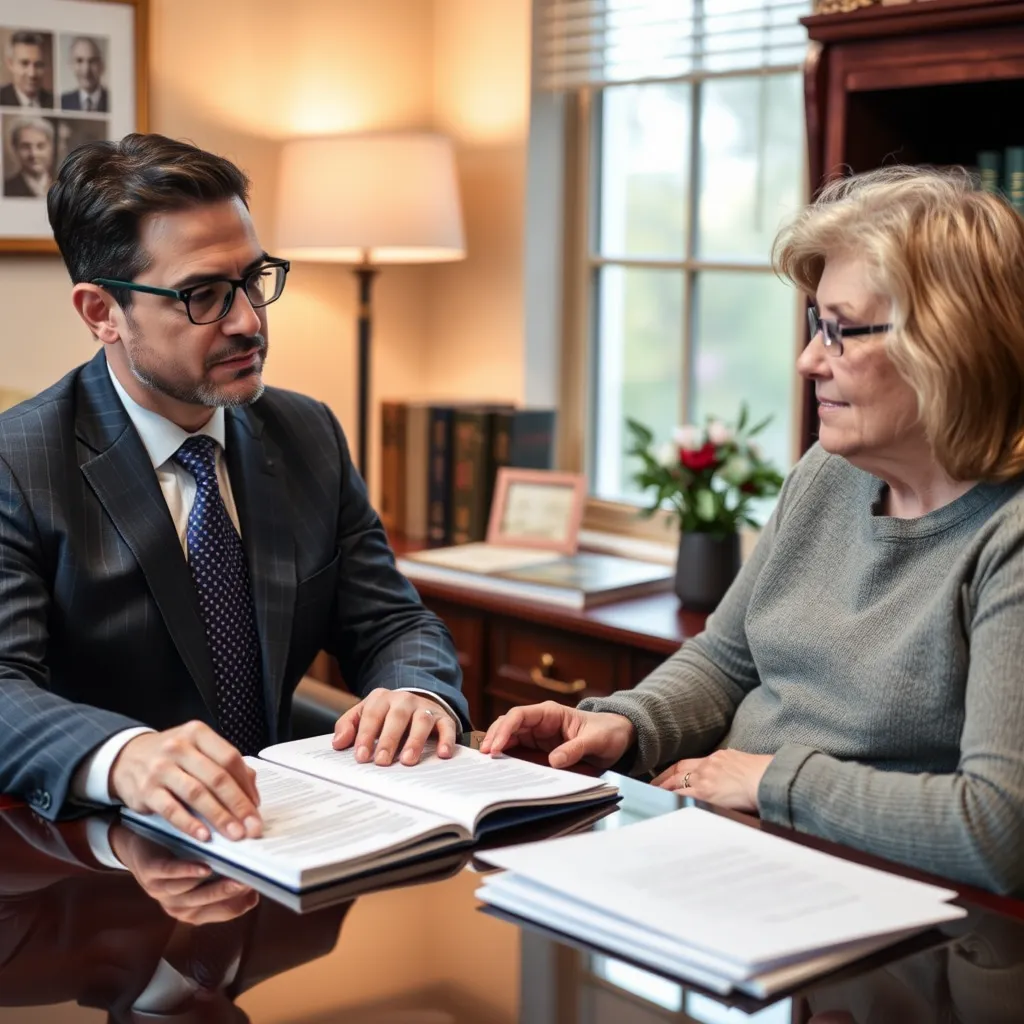
Professional legal guidance provides structured approaches to these matters. Attorneys help families understand their rights under state regulations. They assist in gathering evidence and preparing documentation. Legal professionals communicate with facility representatives and regulatory bodies. They evaluate options for resolution, including potential claims for damages.
How to Address Senior Abuse Concerns
Addressing senior abuse concerns requires methodical approaches to ensure resident safety. Initial documentation should include detailed notes about observations, dates, times, and specific incidents. Photographs of injuries or concerning conditions provide visual evidence. Recording conversations with facility staff creates reference points. Maintaining organized records supports subsequent actions.
Reporting procedures involve multiple channels for maximum effectiveness. Facility administrators should receive formal written complaints with supporting documentation. State regulatory agencies investigate nursing home violations and maintain complaint systems. Adult protective services agencies intervene in abuse cases involving vulnerable adults. Law enforcement addresses criminal matters involving physical harm or theft.
Medical evaluation serves multiple purposes in abuse cases. Healthcare professionals document injuries and assess their causes. They provide treatment for physical harm and monitor recovery. Medical records establish professional opinions about the nature and extent of injuries. These documents become important evidence in legal proceedings.
Legal consultation provides structured guidance through involved processes. Attorneys review documentation and evidence to assess case viability. They explain rights under state and federal nursing home regulations. Legal professionals communicate with facility representatives and regulatory agencies. They develop strategies for resolution, which may include negotiation or formal claims.
Can I Pursue Legal Action for Nursing Home Neglect
Pursuing legal action for nursing home neglect involves evaluating specific circumstances against legal standards. Neglect occurs when facilities fail to provide adequate care, resulting in resident harm. This includes insufficient medical attention, poor hygiene maintenance, inadequate nutrition, or lack of supervision. Documentation must establish both the failure and resulting injury.
Evidence collection forms the foundation of potential claims. Medical records showing decline in health status demonstrate physical consequences. Facility records may reveal staffing shortages or care plan deficiencies. Photographs document unsanitary conditions or pressure ulcers. Witness statements from other residents or visitors support allegations. These elements combine to establish facility responsibility.
Legal standards for nursing home care derive from multiple sources. Federal regulations establish minimum requirements for facilities receiving Medicare or Medicaid funding. State laws provide additional protections and enforcement mechanisms. Facility licensing requirements define operational standards. Contractual agreements between residents and facilities create specific obligations.
Professional legal evaluation assesses case viability based on available evidence. Attorneys review documentation to identify regulatory violations. They analyze the connection between facility failures and resident harm. Legal professionals consider applicable statutes of limitations for filing claims. They evaluate potential damages including medical expenses, pain and suffering, and punitive measures.
Why Hire Legal Help for Elder Abuse Cases
Hiring legal help for elder abuse cases offers significant advantages in managing difficult situations. Legal professionals understand the intricate regulations governing nursing home operations. They recognize patterns of abuse that may not be apparent to families. Attorneys know how to gather and preserve evidence effectively. This knowledge helps build stronger cases for resolution.
Legal representation provides systematic approaches to investigation and documentation. Attorneys obtain facility records through proper legal channels. They interview witnesses and consult medical professionals. Legal professionals identify regulatory violations that strengthen claims. They organize evidence into coherent presentations for negotiations or proceedings.
Communication management represents another important benefit of legal assistance. Attorneys handle discussions with facility administrators and insurance representatives. They interact with regulatory agencies on behalf of clients. Legal professionals present demands and negotiate settlements. This structured communication reduces emotional stress for families.
Legal strategies aim to achieve appropriate remedies for harmed individuals. Compensation may cover medical expenses, rehabilitation costs, and pain and suffering. In cases of severe neglect, punitive damages might apply. Resolution may also include facility improvements to prevent future harm. Legal professionals evaluate which approaches best serve client interests.
FAQ:
What signs indicate possible nursing home abuse?
Unexplained injuries, sudden weight changes, poor hygiene, or behavioral shifts may signal problems. Missing personal items or financial irregularities also raise concerns.
How should I document suspected abuse?
Record dates, times, and specific observations. Take photographs of injuries or conditions. Keep notes of conversations with staff members.
Who investigates nursing home abuse complaints?
State regulatory agencies, adult protective services, and sometimes law enforcement investigate complaints based on the nature of allegations.
What time limits apply to abuse claims?
Statutes of limitations vary by state and claim type. Legal professionals can provide specific information about applicable deadlines.
Can I move my relative from an abusive facility?
Yes, residents can transfer to other facilities. Proper planning ensures continuity of care during transition periods.
What compensation might be available?
Compensation may cover medical costs, pain and suffering, and sometimes punitive damages depending on case circumstances.
How do attorneys investigate abuse cases?
They review medical records, obtain facility documents, interview witnesses, and consult with medical professionals to build evidence.
What if the resident cannot communicate abuse?
Family observations, medical evidence, and facility records can establish abuse even without direct resident testimony in many situations.
Are nursing homes required to have abuse policies?
Yes, federal and state regulations require facilities to have policies preventing, identifying, and reporting abuse incidents.
What happens after I report abuse?
Facilities must investigate internally. Regulatory agencies may conduct inspections. Legal action may follow if evidence supports claims.
Can family members be involved in legal cases?
Yes, family members often participate as representatives or witnesses in legal proceedings involving vulnerable relatives.
How long do abuse cases typically take?
Timelines vary based on investigation challenge, negotiation processes, and whether cases proceed to formal litigation.
Past results do not predict future outcomes.