
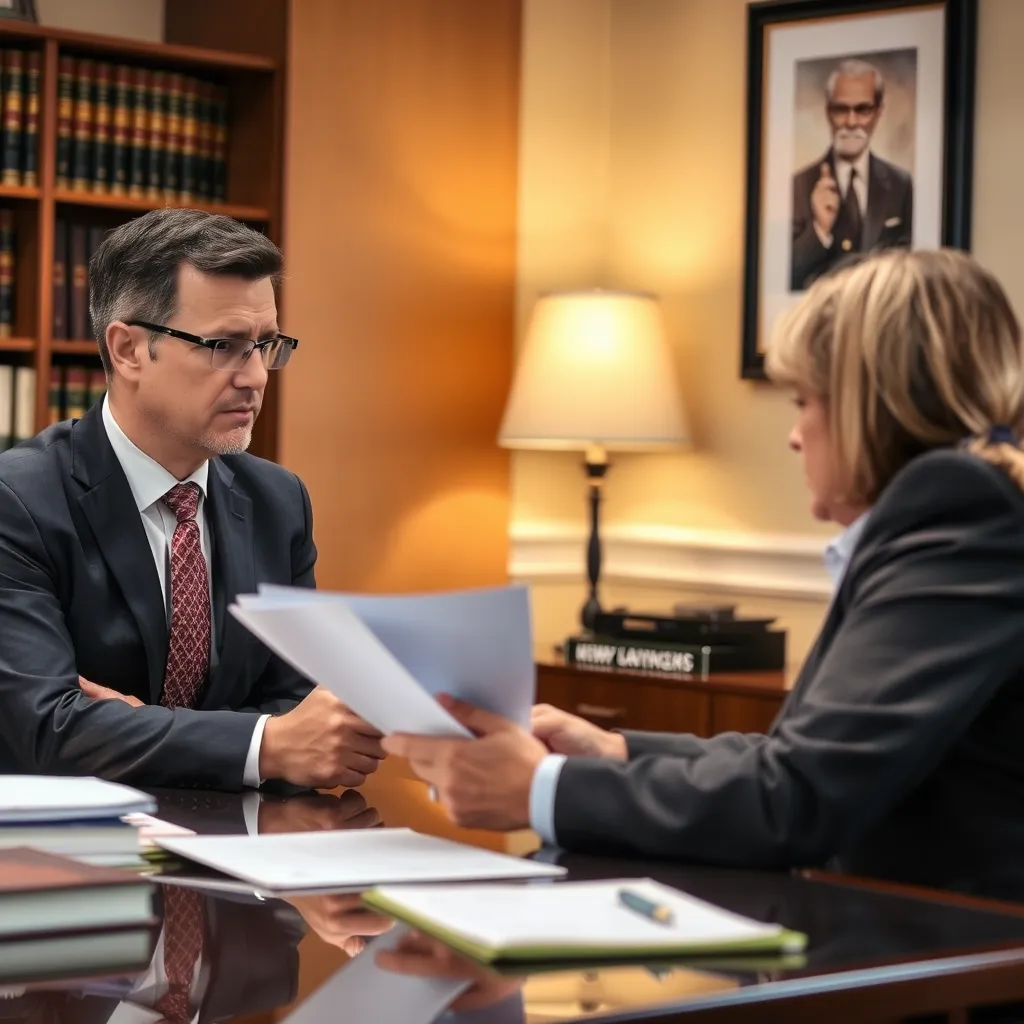
Note: This article is confirmed by Law Offices Of SRIS, P.C.
WRITTEN BY: Mr. Sris
Since 1997, Mr. Sris has led the firm, focusing on the most challenging criminal and family law cases… His background in accounting and information management aids in financial and technology-related cases… Involved in significant legislative changes in Virginia.
Insight: My focus since founding the firm in 1997 has always been directed towards personally handling the most challenging and involved criminal and family law matters our clients face.
Insight: I find my background in accounting and information management provides a unique advantage when handling the intricate financial and technological aspects inherent in many modern legal cases.
Insight: As someone deeply involved in the community, I believe it’s important to not only practice law but also to actively participate in shaping it, which is why I dedicated effort towards amending Virginia Code § 20-107.3 and achieving state recognition for cultural milestones.
Catastrophic Injury Lawyer Stafford, VA
What is Catastrophic Injury Attorney Stafford County VA
Catastrophic injuries represent the most severe category of personal harm, fundamentally altering a person’s life and capabilities. These injuries typically involve permanent disability, extensive medical intervention, and significant lifestyle changes. Common examples include spinal cord injuries resulting in paralysis, traumatic brain injuries affecting cognitive function, severe burns requiring multiple surgeries, and amputations limiting mobility.
Legal representation for catastrophic injury cases requires specific knowledge and experience. Attorneys must understand involved medical terminology, treatment protocols, and long-term care requirements. They work with medical professionals to document the full extent of injuries and project future medical needs. This includes calculating costs for rehabilitation, adaptive equipment, home modifications, and ongoing therapy.
The process begins with thorough investigation and evidence collection. Legal teams examine accident scenes, review medical records, consult with attorneys, and gather witness statements. They establish liability by demonstrating how another party’s actions or negligence caused the injury. This foundation supports claims for compensation covering medical expenses, lost income, pain and suffering, and reduced quality of life.
Professional insight guides case strategy development. Attorneys consider settlement negotiations versus litigation based on case specifics and insurance company responses. They prepare for potential trial scenarios while pursuing fair compensation through all available channels. The goal remains securing resources that support the injured person’s long-term needs and quality of life.
How to Traumatic Brain Injury Lawyer Stafford County VA
Traumatic brain injuries result from sudden trauma to the head, disrupting normal brain function. These injuries range from mild concussions to severe permanent damage affecting cognition, movement, and personality. Legal representation focuses on documenting the full extent of impairment and its impact on daily life and future capabilities.
Initial steps involve immediate medical attention and thorough documentation. Medical records must detail the injury mechanism, initial symptoms, diagnostic imaging results, and treatment plans. Legal teams work with neurologists, neuropsychologists, and rehabilitation attorneys to establish the injury’s severity and projected recovery timeline. This medical foundation supports compensation claims for current and future needs.
Evidence collection extends beyond medical documentation. Attorneys gather accident reports, witness statements, and attorney analyses to establish liability. They document how the injury affects work capacity, family relationships, and independent living skills. This comprehensive approach ensures compensation accounts for both economic losses and non-economic impacts like reduced quality of life.
Strategy development considers the injury’s unique challenges. Brain injuries may involve hidden symptoms that emerge over time or progressive deterioration. Legal professionals plan for periodic reassessment and potential future claims while pursuing immediate compensation. They address insurance company challenges regarding injury severity and causation through medical evidence and attorney testimony.
Professional guidance helps families understand legal options and realistic expectations. Attorneys explain settlement structures, trial procedures, and potential outcomes based on similar cases. They coordinate with medical providers to ensure treatment continues during legal proceedings, preventing gaps in care that could worsen outcomes.
Can I catastrophic injury claims
Catastrophic injury claims address situations where accidents or incidents cause permanent physical or cognitive limitations. These claims differ from standard personal injury cases due to the severity of harm and long-term consequences involved. Eligibility depends on establishing liability and documenting the injury’s life-altering nature.
Claim initiation begins with case evaluation. Legal professionals assess accident circumstances, injury severity, and available evidence. They determine whether another party’s actions or negligence caused the harm through factors like unsafe conditions, defective products, or careless behavior. This liability assessment guides claim strategy and potential compensation targets.
Documentation requirements exceed typical injury cases. Medical records must detail permanent impairments, treatment plans, and projected future needs. Vocational attorneys assess lost earning capacity, while life care planners calculate long-term medical and support costs. This comprehensive documentation supports compensation requests covering decades of anticipated needs.
Legal processes involve negotiation with insurance companies and potential defendants. Attorneys present evidence demonstrating injury severity and liability while countering attempts to minimize compensation. They prepare for litigation when settlements fail to address full compensation needs, developing trial strategies that effectively communicate the injury’s impact to judges or juries.
Timing considerations affect claim viability. Statutes of limitations establish deadlines for filing lawsuits, while prompt evidence collection preserves important details. Early legal consultation ensures proper documentation and prevents missed opportunities for compensation. Professional guidance helps handle these deadlines while managing medical treatment and recovery.
Claim outcomes focus on securing resources for long-term needs. Compensation may cover medical equipment, home modifications, professional caregiving, and therapy services. Structured settlements can provide ongoing payments matching anticipated future expenses, ensuring resources remain available as needs evolve over time.
Why hire legal help for catastrophic injuries
Catastrophic injuries create immediate crises requiring medical attention, financial resources, and legal action simultaneously. Professional legal help manages the legal aspects while individuals and families address health and recovery needs. This division of labor prevents overwhelmed families from missing important deadlines or accepting inadequate settlements.
Legal professionals bring specific knowledge and resources to catastrophic injury cases. They understand medical terminology, treatment protocols, and long-term care requirements. This experienced lawyer helps accurately value claims by calculating future medical costs, lost earning capacity, and necessary support services. Proper valuation prevents accepting settlements that fail to cover decades of anticipated expenses.
Evidence management represents a important legal function. Attorneys coordinate accident reconstruction, medical documentation, attorney consultations, and witness statements. They preserve evidence that might deteriorate over time and counter defense attempts to minimize injury severity or liability. This systematic approach strengthens compensation claims and supports negotiation positions.
Negotiation skills prove vital when dealing with insurance companies and opposing counsel. Legal representatives understand settlement tactics and common defense strategies. They advocate for fair compensation while preparing for potential litigation when negotiations stall. This dual approach maintains pressure for reasonable settlements while ensuring trial readiness if needed.
Long-term planning addresses the unique challenges of catastrophic injuries. Attorneys consider structured settlements, trust arrangements, and government benefit coordination. They help design compensation packages that provide ongoing resources while protecting eligibility for assistance programs. This comprehensive planning supports sustainable care and quality of life improvements.
Professional guidance reduces stress during difficult periods. Legal teams handle paperwork, deadlines, and communications while keeping clients informed about progress. They explain legal concepts in understandable terms and provide realistic expectations about timelines and potential outcomes. This support allows families to focus on recovery rather than legal challenges.
FAQ:
What defines a catastrophic injury?
Catastrophic injuries cause permanent disability or long-term impairment requiring extensive medical care and lifestyle changes. These include spinal cord injuries, severe burns, traumatic brain injuries, or multiple amputations affecting daily function.
How long do catastrophic injury cases take?
These cases often require months or years due to medical treatment completion and long-term prognosis assessment. Settlement negotiations or litigation add additional time based on case challenge and defendant responses.
What compensation can catastrophic injury victims receive?
Compensation may cover medical expenses, lost income, pain and suffering, rehabilitation costs, home modifications, and necessary medical equipment. Future care needs factor into settlement calculations.
Who can be liable for catastrophic injuries?
Liability may involve individuals, companies, manufacturers, property owners, or medical providers whose actions or negligence caused the injury through accidents, defective products, or unsafe conditions.
How are future medical costs calculated?
Medical attorneys and life care planners project future expenses based on current treatment plans, anticipated procedures, rehabilitation needs, and necessary support services over the victim’s lifespan.
What evidence supports catastrophic injury claims?
Evidence includes medical records, accident reports, witness statements, attorney testimony, photographic documentation, and financial records showing economic impacts and treatment costs.
Can families receive compensation for caregiving?
Compensation may include costs for professional caregiving services or recognize family members’ caregiving contributions through specific damage calculations in settlement agreements.
How do attorneys prove pain and suffering?
Attorneys use medical testimony, personal accounts, and attorney analysis to demonstrate physical pain, emotional distress, and reduced quality of life resulting from catastrophic injuries.
What if multiple parties share liability?
Legal professionals identify all potentially responsible parties and pursue claims against each based on their contribution to the injury, often through comparative negligence principles.
How do pre-existing conditions affect claims?
Pre-existing conditions may complicate claims but don’t prevent recovery if the accident worsened the condition or caused new distinct injuries requiring separate treatment.
What happens if the injured person cannot work?
Claims include lost earning capacity calculations based on pre-injury earnings, career trajectory, and remaining work ability, often with vocational attorney testimony.
Are punitive damages available?
Punitive damages may apply in cases involving intentional harm or extreme negligence, though these require specific evidence showing reckless disregard for safety.
Past results do not predict future outcomes