
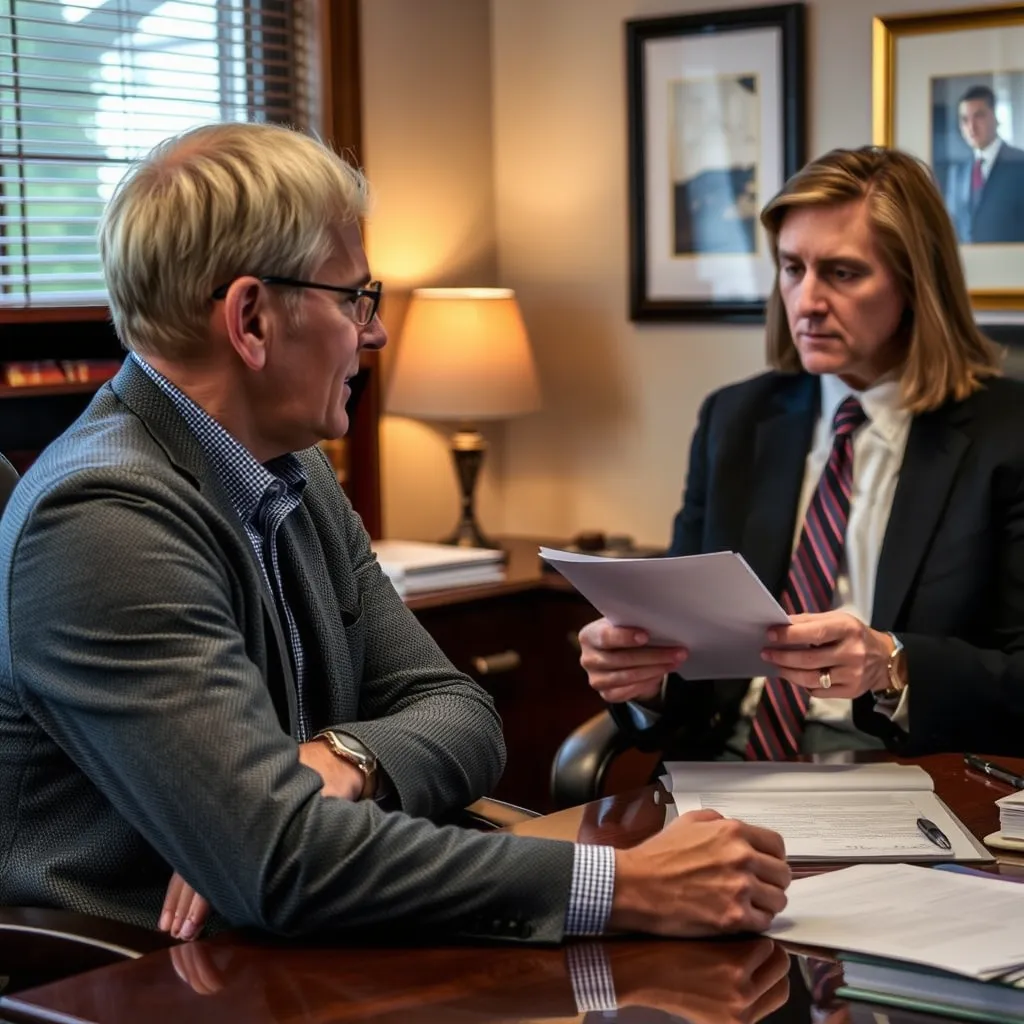
Note: This article is confirmed by Law Offices Of SRIS, P.C.
AUTHOR BIO:WRITTEN BY
Since 1997, Mr. Sris has led the firm, focusing on the most challenging criminal and family law cases… His background in accounting and information management aids in financial and technology-related cases… Involved in significant legislative changes in Virginia.
Insight: My focus since founding the firm in 1997 has always been directed towards personally handling the most challenging and involved criminal and family law matters our clients face.
Insight: I find my background in accounting and information management provides a unique advantage when handling the intricate financial and technological aspects inherent in many modern legal cases.
Insight: As someone deeply involved in the community, I believe it’s important to not only practice law but also to actively participate in shaping it, which is why I dedicated effort towards amending Virginia Code § 20-107.3 and achieving state recognition for cultural milestones.
Premises Liability Lawyer Ashland VA
What is Premises Liability
Premises liability refers to the legal responsibility property owners have for injuries that occur on their property. This area of law applies when someone gets hurt due to unsafe conditions that the owner knew about or should have known about. Common situations include slip and fall accidents, injuries from poor maintenance, inadequate lighting, or security issues. The property owner’s duty varies based on the visitor’s status – whether they’re invited guests, licensees, or trespassers.
Property owners must take reasonable steps to maintain safe conditions. This includes regular inspections, prompt repairs of known hazards, and adequate warnings about potential dangers. When owners fail in these responsibilities, they may be liable for resulting injuries. Documentation becomes vital in these cases – photos of the hazard, incident reports, witness statements, and medical records all contribute to building a case.
Legal strategies in premises liability cases focus on establishing the property owner’s knowledge of the hazard and their failure to address it. This involves gathering evidence about how long the dangerous condition existed, whether similar incidents occurred previously, and what safety measures the owner implemented. The goal is to demonstrate that the owner’s negligence directly caused the injury.
Professional insight emphasizes that each premises liability case requires careful evaluation of specific circumstances. Factors like weather conditions, time of day, warning signs, and the injured person’s own actions all influence the outcome. Legal professionals assess these elements to determine the strength of a claim and appropriate next steps.
How to Handle Premises Liability Claims
When injured on someone else’s property, immediate actions can significantly impact your claim. First, document the scene thoroughly. Take photographs of the hazardous condition, your injuries, and the surrounding area. Note weather conditions, lighting, and any warning signs present. If possible, get contact information from witnesses who saw what happened. Their statements can provide independent verification of the conditions and events.
Seek medical attention promptly, even if injuries seem minor. Some conditions worsen over time, and medical records create essential documentation linking your injuries to the incident. Follow all treatment recommendations and keep detailed records of medical visits, prescriptions, and recovery progress. Report the incident to the property owner or manager, requesting a written incident report. Be factual in your description without admitting fault or speculating about causes.
Preserve all evidence related to the incident. This includes the clothing and shoes you were wearing, any devices that might have recorded the incident, and communications with the property owner. Avoid discussing the incident on social media or with insurance adjusters without legal guidance. Insurance companies often seek statements that can minimize their liability.
Legal professionals help manage the claims process, dealing with insurance companies, gathering additional evidence, and evaluating settlement offers. They understand the tactics insurance adjusters use and can protect your interests throughout negotiations. Time limits apply to premises liability claims, making prompt action important for preserving your legal options.
Can I Claim for Unsafe Property Injuries
Whether you can claim for injuries from unsafe property depends on several factors. The property owner must have been negligent – meaning they knew or should have known about the hazardous condition and failed to take reasonable steps to fix it or warn visitors. The injury must be directly caused by this unsafe condition, not by your own careless actions. Virginia law requires proving the property owner’s negligence caused your injuries.
Common scenarios for valid claims include slip and falls from wet floors without warning signs, trips over uneven pavement or broken stairs, injuries from falling objects due to poor maintenance, and harm from inadequate security in parking lots or buildings. Even injuries from animal attacks on property may qualify if the owner knew the animal was dangerous. The key is establishing that the property owner failed in their duty to maintain safe conditions.
Your own actions matter in these claims. If you were trespassing, ignoring clear warnings, or engaging in reckless behavior, your claim may be reduced or denied under Virginia’s contributory negligence rules. However, property owners still have responsibilities even to trespassers in some circumstances, particularly regarding willful or wanton negligence.
Legal evaluation considers the specific facts of your situation. Professionals examine the property condition, the owner’s knowledge, warning systems in place, and how the incident occurred. They also assess the severity of your injuries and their impact on your life. This comprehensive review determines whether pursuing a claim makes sense given the evidence and applicable laws.
Why Hire Legal Help for Property Liability
Property liability cases involve involved legal standards and aggressive insurance defense tactics. Virginia follows strict contributory negligence rules, meaning any fault on your part can completely bar recovery. Legal professionals understand these nuances and how to present your case effectively within these constraints. They know what evidence insurance companies require and how to obtain it through proper legal channels.
Experienced attorneys manage the entire claims process, from initial investigation through settlement or trial. They conduct thorough investigations, gathering security footage, maintenance records, incident reports, and witness statements that might be difficult for individuals to obtain. They work with medical professionals to document injuries properly and establish the full extent of damages, including future medical needs and lost earning capacity.
Insurance companies have teams working to minimize payouts. Legal representation levels the playing field, with professionals who understand insurance tactics and negotiation strategies. They handle all communications with insurance adjusters, preventing statements that could harm your case. When settlement offers come, they evaluate whether they adequately compensate for your injuries, medical expenses, lost wages, and pain and suffering.
If negotiations fail, legal professionals prepare cases for trial, developing compelling arguments and presenting evidence effectively. They understand court procedures, evidence rules, and how to persuade judges and juries. This comprehensive approach maximizes your chances of fair compensation while allowing you to focus on recovery rather than legal challenges.
FAQ:
What is premises liability?
Premises liability involves property owner responsibility for injuries from unsafe conditions on their property. This includes accidents from poor maintenance or hazards.
How long do I have to file a claim?
Virginia typically allows two years from the injury date to file a premises liability lawsuit. Timely action preserves your legal options.
What if I was partially at fault?
Virginia’s contributory negligence rule can bar recovery if you share any fault. Legal evaluation determines how this affects your specific case.
What damages can I recover?
Possible recovery includes medical expenses, lost wages, pain and suffering, and future care costs related to your injury.
Do I need to prove the owner knew?
You must show the owner knew or should have known about the hazard and failed to address it within reasonable time.
What evidence is important?
Photos of the hazard, medical records, witness statements, incident reports, and maintenance records help establish your claim.
Should I talk to insurance adjusters?
Consult legal help before providing statements to insurance companies to avoid saying things that could harm your case.
What if the injury happened at work?
Workplace injuries typically go through workers’ compensation, but third-party claims may apply if property owners caused the hazard.
How much do legal services cost?
Many premises liability attorneys work on contingency fees, meaning they get paid only if you recover compensation.
What makes a strong premises liability case?
Clear evidence of a hazardous condition, owner knowledge, failure to address it, and direct causation of injuries strengthen claims.
Can I claim for emotional distress?
Emotional distress claims may be possible with physical injuries or particularly traumatic incidents, depending on circumstances.
What if the property is government-owned?
Claims against government properties have different procedures and shorter filing deadlines requiring prompt legal attention.
Past results do not predict future outcomes