
Note: This article is confirmed by Law Offices Of SRIS, P.C.
WRITTEN BY: Mr. Sris
Since 1997, Mr. Sris has led the firm, focusing on the most challenging criminal and family law cases. His background in accounting and information management aids in financial and technology-related cases. Involved in significant legislative changes in Virginia. Mr. Sris is a member of the Virginia State Bar, Maryland State Bar, District of Columbia Bar, New Jersey State Bar Association, and New York State Bar Association.
Swimming Pool Accidents lawyer McLean VA
What is Swimming Pool Accidents
Swimming pool accidents encompass a range of incidents that happen in pool environments. These events can occur in residential pools, public swimming facilities, hotel pools, or community aquatic centers. The common factor is that the incident takes place in or around a swimming pool area and results in injury to a person.
Types of swimming pool accidents vary widely. Slip and fall incidents are frequent, often happening on wet surfaces around the pool deck. Diving accidents can occur when individuals hit the bottom or sides of the pool. Other incidents may involve pool equipment, drainage systems, or chemical exposure. Each type of accident presents different considerations for determining what happened and who may be responsible.
When accidents occur, several factors need examination. The condition of the pool area, maintenance practices, safety measures in place, and supervision provided all play roles in understanding what happened. Documentation of the incident, witness statements, and evidence from the scene help establish the facts of the situation.
Real-Talk Aside: Pool accidents often happen quickly, but their effects can last much longer. Understanding what constitutes an accident helps identify when help might be needed.
How to Address Swimming Pool Accident Cases
When a swimming pool accident occurs, immediate actions matter. First, ensure safety and seek medical attention for any injuries. Document the scene if possible, noting conditions that may have contributed to the incident. Take photographs of the pool area, any visible hazards, and the general surroundings. Collect contact information from witnesses who saw what happened.
Medical documentation forms a vital part of the process. Even if injuries seem minor initially, some conditions may develop or worsen over time. Keep records of all medical visits, treatments received, and expenses incurred. This documentation helps establish the extent of injuries and their connection to the pool accident.
Preserving evidence is important for building a clear picture of events. This includes maintaining any physical evidence from the scene, keeping records of communications about the incident, and documenting changes to the pool area after the accident. Time-sensitive evidence should be secured promptly to prevent loss or alteration.
Real-Talk Aside: The steps taken immediately after an accident can significantly impact what happens later. Documentation and evidence preservation matter for understanding events.
Can I Seek Help for Drowning Accident Cases
Drowning accidents involve situations where individuals experience difficulty in water, potentially leading to injury or other serious outcomes. These incidents can occur in various settings including private pools, public swimming areas, or other aquatic environments. The severity of drowning incidents varies, with some resulting in temporary distress and others having more significant consequences.
When drowning accidents happen, multiple factors require consideration. Supervision levels, safety equipment availability, pool maintenance standards, and emergency response procedures all play roles in these situations. Determining what occurred and why involves examining these elements to understand the complete picture of events.
Legal assistance for drowning accident cases focuses on examining the circumstances surrounding the incident. This includes reviewing safety measures in place, supervision provided, and responses to the emergency. Documentation from the scene, witness accounts, and attorney analysis help establish what happened and identify any factors that may have contributed to the situation.
Real-Talk Aside: Drowning incidents are serious events that need careful examination. Understanding what happened and why matters for addressing these situations properly.
Why Hire Legal Help for Pool Injury Matters
Pool injury matters involve situations where individuals experience harm in swimming pool environments. These incidents can range from minor injuries to more serious conditions requiring medical attention and ongoing care. The process of addressing pool injuries involves multiple steps including investigation, documentation, and potential legal proceedings.
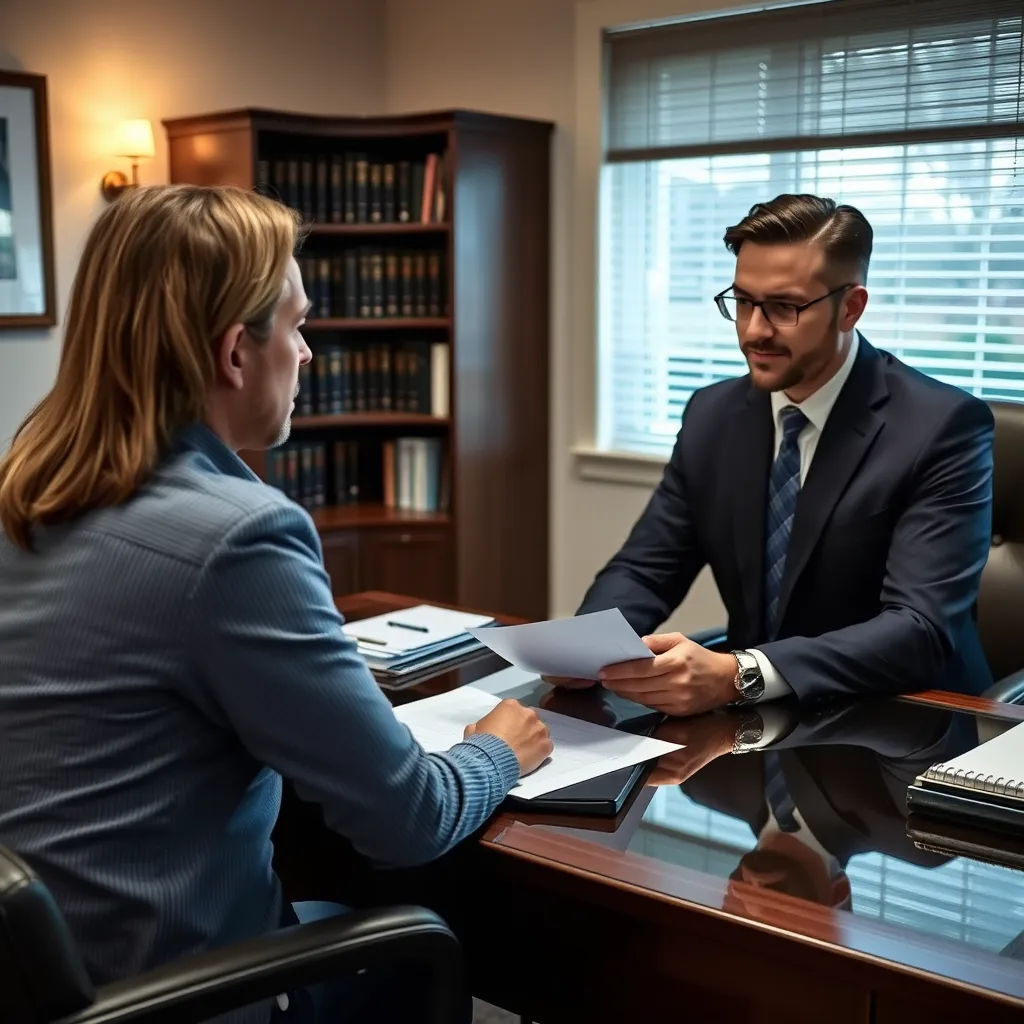
Professional legal assistance brings experience in handling pool injury cases. This includes knowledge of relevant regulations, safety standards, and procedures for examining what happened. Legal professionals work to gather evidence, interview witnesses, and build a clear understanding of events leading to the injury.
The guidance provided helps individuals understand their situation and options. This includes explaining procedures, timelines, and potential outcomes based on the specific circumstances of the case. Having professional support can help reduce uncertainty and provide clarity about the process ahead.
Real-Talk Aside: Pool injuries can create challenging situations that benefit from professional guidance. Having experienced help can provide clarity during uncertain times.
FAQ:
What should I do immediately after a pool accident?
Seek medical attention first. Document the scene with photos if possible. Collect witness contact information. Report the incident to appropriate parties.
How long do I have to take action after a pool injury?
Time limits vary by jurisdiction. Consult with legal professionals promptly to understand applicable deadlines for your specific situation.
What types of pool accidents commonly occur?
Common incidents include slips on wet surfaces, diving mishaps, equipment-related injuries, and chemical exposure situations in pool areas.
Who might be responsible for pool accidents?
Responsibility depends on circumstances. Property owners, maintenance companies, equipment manufacturers, or supervisors may have roles in incidents.
What evidence is important for pool accident cases?
Photographs of the scene, medical records, witness statements, maintenance logs, and safety inspection reports can all provide valuable information.
Can children’s pool accidents be addressed differently?
Cases involving children may have additional considerations regarding supervision standards and appropriate safety measures for young swimmers.
What if the accident happened at a public pool?
Public pool incidents involve examining municipal regulations, facility management practices, and public safety standards applicable to the location.
How are drowning accidents investigated?
Drowning investigations examine supervision levels, safety equipment, emergency response procedures, and pool conditions at the time of the incident.
What role do safety regulations play in pool cases?
Safety standards help establish expected practices for pool maintenance, equipment, supervision, and emergency preparedness in aquatic environments.
Can pre-existing conditions affect pool injury cases?
Pre-existing medical conditions may be considered in understanding the full context of injuries sustained during pool incidents.
What if multiple parties share responsibility?
Cases with multiple potentially responsible parties require careful examination of each entity’s role and contribution to the situation.
How long do pool injury cases typically take?
Timelines vary based on case challenge, evidence availability, and specific circumstances involved in each situation.
Past results do not predict future outcomes.