
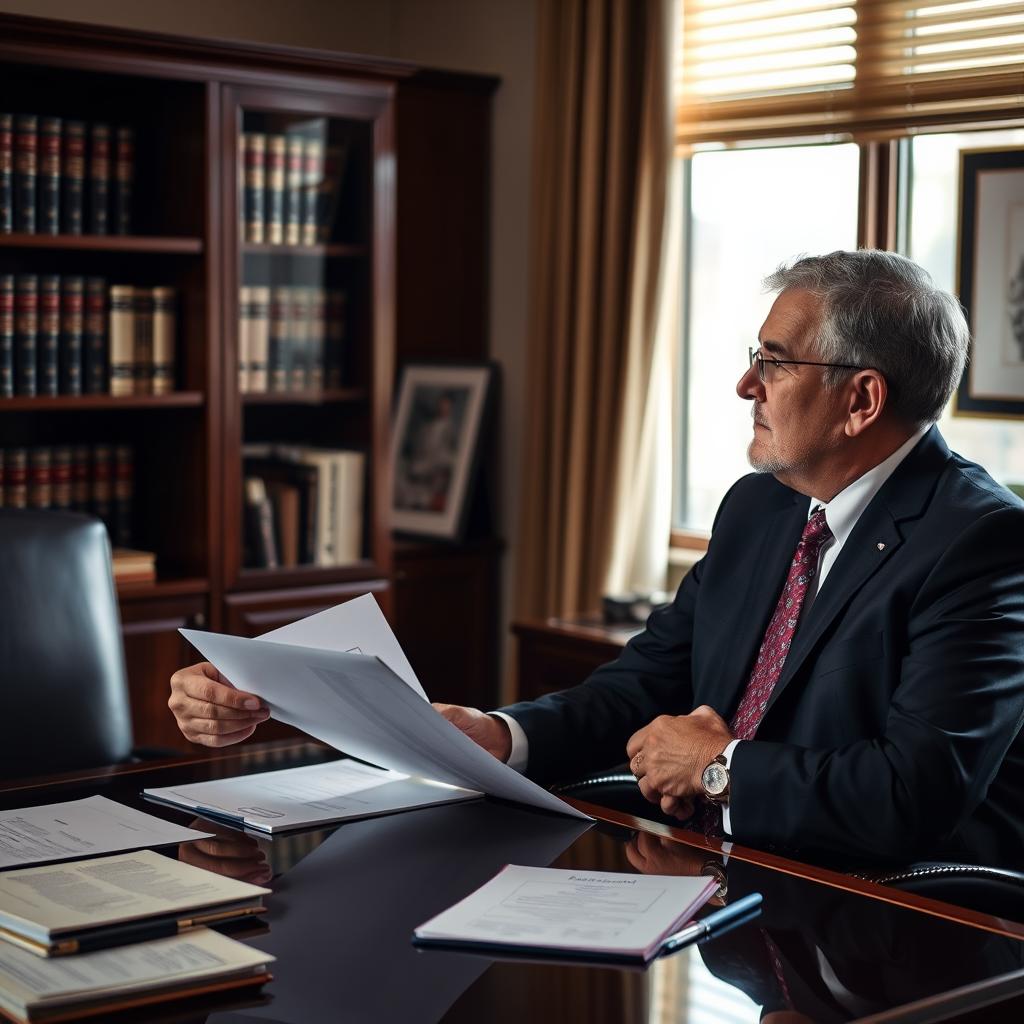
Premises Liability Lawyer Chesapeake, VA
When an injury occurs on someone else’s property in Chesapeake, Virginia, the legal framework that applies is strict and unforgiving. Virginia follows the pure contributory negligence rule—one of only four states in the country that does. That means if an injured person is found to bear even 1% of responsibility for the incident that caused their harm, they recover nothing. This reality makes experienced legal guidance critical from the very beginning of a premises liability case. At Law Offices Of SRIS, P.C., Mr. Sris and his Of Counsel team represent people injured on commercial, residential, and public properties throughout Chesapeake, including Deep Creek, Great Bridge, and Greenbrier. The firm has practiced since 1997 and brings more than 120 years of combined legal experience to the investigation and litigation of unsafe-property claims. Results may vary. From a slip-and-fall in a grocery store aisle to an injury caused by inadequate lighting in an apartment building stairwell, our attorneys work to identify all forms of recoverable damages—medical expenses, lost income, pain and suffering—and to build a case that can withstand Virginia’s demanding fault standard. For a consultation about your situation, call (888) 437-7747. Law Offices Of SRIS, P.C. – Advocacy Without Borders.
What Premises Liability Means in Chesapeake, Virginia
Chesapeake is a sprawling independent city that stretches from the North Carolina border northward along the I-64 corridor, encompassing the historic communities of Great Bridge, Deep Creek, and Greenbrier. Major roadways such as I-464, I-664, Route 13, Route 17, and Route 168 (Battlefield Boulevard) carry heavy commercial and residential traffic. When a premises-related injury occurs at a retail center along Greenbrier Parkway, a restaurant near Chesapeake City Park, or a private home in Deep Creek, the injured person must navigate a legal landscape shaped by two powerful Virginia doctrines: a two-year statute of limitations and pure contributory negligence.
Personal-injury claims in Virginia must be filed within two years of the date of injury.
Source: Va. Code § 8.01-243(A). Virginia Code
Reviewed by Mr. Sris, admitted in VA/MD/DC/NJ/NY.
The two-year period under Va. Code § 8.01-243 is a hard deadline. If a lawsuit is not filed within two years of the accident date, the claim is forever barred—no matter how clear the landowner’s fault. This is a timetable that can move quickly while evidence is still being gathered. Meanwhile, Virginia’s contributory negligence rule operates as an absolute bar: if the defendant can persuade a judge or jury that the injured party’s own actions played any part in causing the fall or collision, the claim fails entirely. Insurance adjusters know these rules and often position them early in settlement discussions. For Chesapeake residents, the court in which a claim is filed depends, in part, on the amount of damages sought.
In Chesapeake, claims for damages up to the jurisdictional limit may be filed in the General District Court.
Source: Va. Code § 16.1-77(1). Virginia Code
Reviewed by Mr. Sris, admitted in VA/MD/DC/NJ/NY.
Chesapeake General District Court, located at 307 Albemarle Drive, handles civil claims where the amount in controversy does not exceed the jurisdictional limit, exclusive of interest and attorney fees. When a claim exceeds that amount, it proceeds in the Chesapeake Circuit Court, also at the same address. The procedural distinctions matter: the circuit court offers broader discovery, while the general district court can resolve a matter more quickly. Because Virginia does not cap compensatory damages in most personal injury cases—punitive damages are capped at $350,000 under Va. Code § 8.01-38.1—a serious injury involving substantial medical costs and long-term care may properly belong in circuit court. The choice of forum is one of several strategic decisions Mr. Sris and his Of Counsel assist with, always with an eye toward the strict fault standard that governs every premises claim in the Commonwealth.
How Mr. Sris and His Of Counsel Handle Premises Liability Cases
The investigation of a premises liability claim begins with evidence preservation. Mr. Sris and his Of Counsel work to identify and request surveillance footage, obtain incident reports from the property owner or manager, photograph the scene before conditions change, and interview witnesses while memories are fresh. Documenting the dangerous condition—whether it is a wet floor without proper warning signs, a broken handrail, a poorly maintained parking lot, or inadequate security—is essential. Because the contributory negligence rule penalizes even slight plaintiff fault, the team examines every detail that the defense might use to suggest the injured person should have seen the hazard. The firm’s Of Counsel include a former Virginia State Trooper with fifteen years of accident investigation experience, a perspective that frequently proves valuable when evaluating how and why an unsafe condition caused injury.
After the factual record is developed, the legal work focuses on proving the landowner breached a duty of care. Virginia law divides property entrants into invitees, licensees, and trespassers, each owed a different standard of care. A business customer generally enjoys the highest duty—the owner must exercise reasonable care to discover unsafe conditions and either correct them or warn patrons. A social guest at a private home receives less protection. Understanding which legal classification applies to the specific Chesapeake setting is central to the claim’s viability. Mr. Sris and his Of Counsel also assess available insurance coverage—including uninsured motorist provisions if a vehicle was involved—and negotiate with adjusters who are trained to exploit Virginia’s contributory negligence bar. If a reasonable settlement cannot be reached, the firm is prepared to file suit, conduct discovery, and take the case to trial in the appropriate Chesapeake court.
About Mr. Sris and His Of Counsel Team
Mr. Sris, Owner and Founder of Law Offices Of SRIS, P.C., has practiced law since 1997. A former prosecutor, he draws on courtroom experience to evaluate how the defense will frame a premises liability dispute. He is admitted in Virginia, Maryland, the District of Columbia, New Jersey, and New York. Mr. Sris testified before the Virginia House Courts of Justice Committee in support of 2019 HB 635 (chief patron Del. David Bulova). Over his career, he and his Of Counsel have documented more than 4,739 case results across all practice areas. Results may vary.
All other attorneys working on premises liability matters are Of Counsel—non-employee lawyers who bring decades of combined insight. The team includes a former Virginia State Trooper with extensive accident investigation experience and attorneys who appear regularly in Chesapeake City General District Court and Circuit Court. Together, Mr. Sris and his Of Counsel bring over 120 years of combined legal experience to injury cases. Results may vary. This collective background allows the firm to address the multiple dimensions of a Chesapeake premises claim: gathering evidence, countering contributory negligence arguments, and pursuing the full measure of damages available under Virginia law.
Frequently Asked Questions
What is the statute of limitations for a premises liability claim in Chesapeake?
You generally have two years from the date of injury to file a premises liability claim in Virginia. This deadline is set by Va. Code § 8.01-243(A). If a lawsuit is not initiated within that two-year window—regardless of whether you are still treating or negotiating—the claim is permanently barred. Because evidence can deteriorate and witnesses can become harder to locate over time, it is wise to consult an attorney well before the deadline approaches. The two-year period applies broadly to personal-injury actions; a wrongful death claim arising from a premises accident must be filed within two years of the death.
What is contributory negligence and how does it affect a Chesapeake premises case?
Virginia follows the contributory negligence rule, which means that if you are found to be even 1% at fault for the accident, you recover nothing. This is one of the strictest fault standards in the United States and applies to every premises liability claim filed in Chesapeake. Insurance companies routinely assert that the injured person failed to pay attention, wore improper footwear, or ignored a visible warning. An experienced attorney can investigate the facts, preserve evidence that contradicts these assertions, and present the strong $1 that the landowner’s negligence was the sole cause of the injury.
Do I need a premises liability lawyer for an injury in Chesapeake?
You are not required to hire a lawyer, but you will face a legal system designed to bar recovery for even minor contributor fault—making skilled representation highly advisable. Virginia’s contributory negligence doctrine gives the defense a powerful tool. The property owner’s insurer has experienced adjusters and attorneys working to deny or minimize your claim. An attorney can handle the investigation, identify all liable parties, calculate the full value of your damages, and negotiate from a position of strength. If a settlement cannot be reached, having a lawyer already familiar with Chesapeake’s General District Court and Circuit Court positions you to proceed to trial without delay.
What types of damages can I recover in a Chesapeake premises liability case?
You can pursue compensation for medical bills, lost wages, pain and suffering, and, in some circumstances, punitive damages. Virginia does not cap compensatory damages in most personal-injury cases; only medical malpractice and punitive damages are subject to statutory limits. Economic damages cover the direct financial cost of your injury—hospital stays, rehabilitation, lost income—while non-economic damages account for the physical pain and emotional distress the injury caused. If the landowner acted with willful or wanton disregard for safety, Virginia law allows punitive damages up to $350,000. An attorney can help document each category thoroughly.
How does the process work for a premises liability claim in Chesapeake?
The process typically begins with investigation and settlement negotiations, but it may proceed to litigation if the parties cannot agree. After you consult an attorney, the firm gathers evidence, notifies the property owner and their insurer, and submits a demand package that outlines your damages and the legal basis for holding the owner responsible. The two-year statute of limitations runs throughout this period, so timing is important. If a fair offer is not made, the attorney files a complaint in the appropriate Chesapeake court—General District Court for claims up to the jurisdictional limit, and Circuit Court for larger amounts. Discovery, depositions, and mediation can follow before a trial date is set. The timeline depends on the complexity of the case and the court’s schedule.
What should I do immediately after an accident on someone else’s property in Chesapeake?
Seek medical attention, report the incident to the property owner, and photograph the scene as soon as possible. Even if your injury seems minor, a prompt medical evaluation creates a record that links the accident to your condition. Ask the manager or owner to complete an incident report and request a copy. Take photos of the hazard—the wet floor, broken step, or uneven pavement—before it is repaired or altered. Obtain contact information for any witnesses. Avoid giving a recorded statement to an insurance company before speaking with an attorney. Early action helps protect the evidence that is crucial under Virginia’s contributory negligence standard.
For a consultation about your premises liability matter in Chesapeake, Virginia, call (888) 437-7747.
Related locations: Personal injury attorneys in Manassas, Virginia | Personal injury lawyers in Fairfax County | Premises liability representation in Prince William County
Virginia primary sources: Va. Code § 8.01-243 – Statute of Limitations for Personal Injury | Chesapeake Circuit Court | Va. Code § 16.1-77 – General District Court Civil Jurisdiction
Attorney advertising. Prior results do not guarantee a similar outcome. Results may vary.
Case results depend on a variety of factors unique to each case.