
Note: This article is confirmed by Law Offices Of SRIS, P.C.
WRITTEN BY: Mr. Sris
Since 1997, Mr. Sris has led the firm, focusing on the most challenging criminal and family law cases. His background in accounting and information management aids in financial and technology-related cases. Involved in significant legislative changes in Virginia. Mr. Sris believes in actively participating in shaping the law, not just practicing it.
Bad Faith Insurance Lawyer Falls Church, VA
What is Bad Faith Insurance
Insurance contracts establish obligations between policyholders and companies. When insurers fail to meet these obligations, bad faith situations occur. This legal concept applies when companies deny valid claims without proper investigation. Delaying payments without reasonable cause also constitutes bad faith. Offering settlements significantly below actual damages represents another form of improper conduct.
Policyholders should document all communications with insurance representatives. Keep records of claim submissions, correspondence, and payment discussions. Review policy documents carefully to understand coverage terms. State regulations provide specific requirements for insurance company conduct. Virginia law establishes standards for claim handling procedures.
Legal options include filing complaints with state insurance departments. Formal demands for proper claim handling may resolve some situations. When companies continue improper conduct, litigation becomes necessary. Courts can award damages beyond policy limits in bad faith cases. Punitive damages may apply in particularly egregious situations.
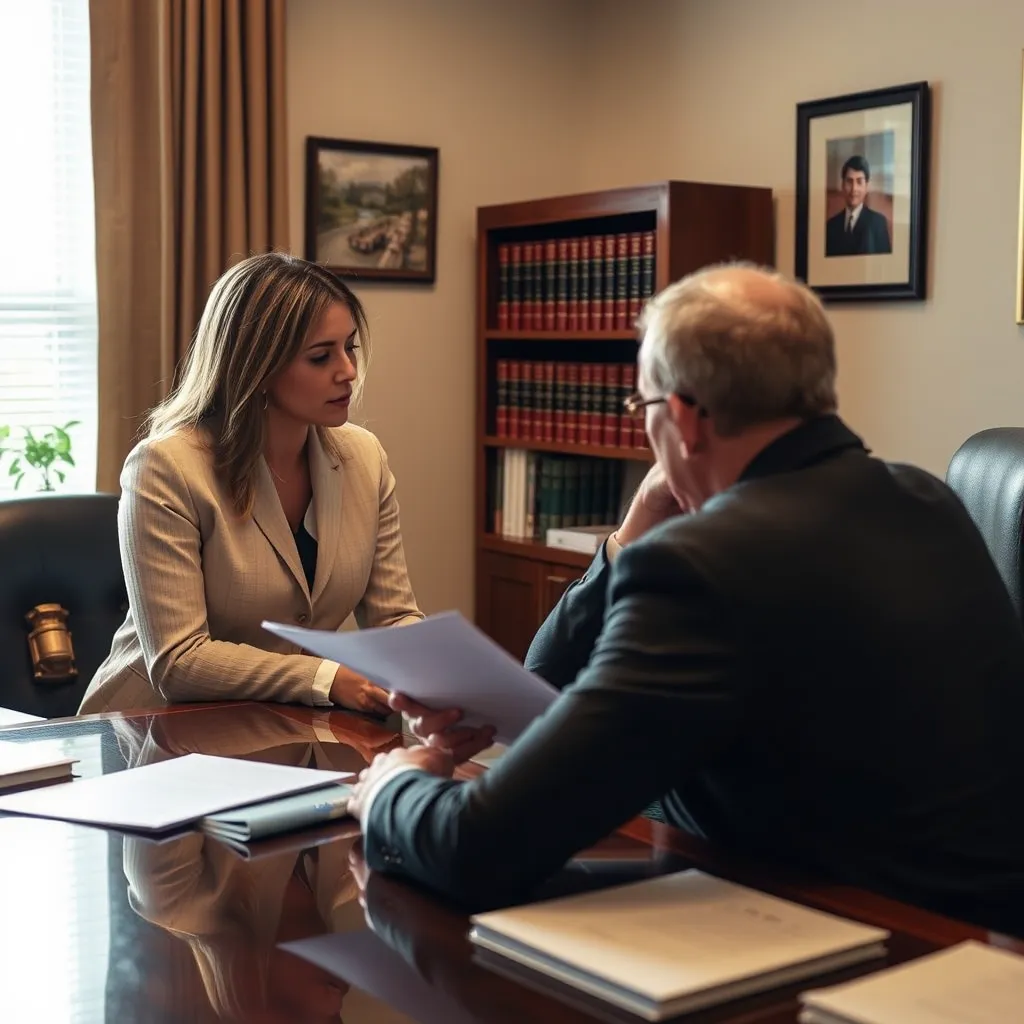
Professional legal guidance helps identify bad faith patterns. Attorneys review claim denials for proper justification. They assess whether delays have reasonable explanations. Settlement offers receive evaluation against actual damages. Law Offices Of SRIS, P.C. has locations in Falls Church, Virginia.
How to Handle Uninsured Motorist Claims
Accidents involving uninsured drivers create unique challenges. Your own insurance policy typically includes uninsured motorist coverage. This provision helps when other drivers lack proper insurance. Reporting requirements differ from standard accident claims. Timely notification to your insurance company is essential.
Document the accident scene thoroughly with photographs and notes. Obtain witness contact information when possible. Police reports provide official documentation of the incident. Medical records establish injury details and treatment requirements. Vehicle damage assessments should occur promptly.
Review your policy’s uninsured motorist coverage limits. Understand any deductibles that may apply. Some policies include underinsured motorist provisions for additional protection. These cover situations where other drivers have insufficient coverage. Virginia requires specific minimum coverage amounts.
Communication with insurance representatives requires careful attention. Provide complete information about the accident circumstances. Submit all required documentation promptly. Follow up regularly on claim status updates. Keep records of all interactions with insurance personnel.
Legal assistance helps manage involved claim processes. Attorneys ensure proper compliance with policy requirements. They handle negotiations with insurance companies effectively. When disputes arise, legal representation protects your interests. Law Offices Of SRIS, P.C. has locations in Falls Church, Virginia.
Can I Challenge Insurance Claim Denials
Insurance companies provide specific reasons for claim denials. Review these explanations carefully against your policy terms. Common denial reasons include coverage exclusions, late reporting, or insufficient documentation. Some denials cite alleged policy violations or pre-existing conditions.
Internal appeals represent the first challenge option. Insurance policies typically include appeal procedures. Submit additional documentation addressing denial reasons. Provide medical records, repair estimates, or other supporting evidence. Follow established timelines for appeal submissions.
State insurance departments oversee company conduct. File formal complaints when companies violate regulations. Regulatory agencies investigate improper claim handling. They can require companies to reconsider denials properly. Virginia’s Bureau of Insurance handles such complaints.
Legal action becomes necessary when other methods fail. Bad faith litigation addresses improper claim handling. Contract disputes focus on policy interpretation issues. Some situations involve multiple legal theories for maximum recovery.
Document preservation is essential for successful challenges. Maintain complete claim files with all correspondence. Record dates of submissions and responses. Keep original policy documents accessible. Organize medical records, repair estimates, and other evidence systematically.
Professional evaluation helps determine challenge strategies. Attorneys review denial letters for legal deficiencies. They assess whether companies followed proper procedures. Legal guidance identifies strongest arguments for overturning denials. Law Offices Of SRIS, P.C. has locations in Falls Church, Virginia.
Why Hire Legal Help for Insurance Disputes
Insurance disputes involve involved policy language and legal requirements. Attorneys interpret coverage terms and exclusions accurately. They understand state insurance regulations and case law precedents. This knowledge helps identify company violations and legal remedies.
Negotiation with insurance companies requires specific skills. Attorneys communicate effectively with adjusters and legal representatives. They present evidence persuasively to support claim validity. Settlement discussions benefit from professional evaluation of case strengths. Legal representation often leads to better settlement offers.
Documentation and procedure management become more efficient with legal help. Attorneys ensure proper claim submission formats and timelines. They organize medical records, repair estimates, and other evidence systematically. Legal teams handle correspondence and follow-up communications professionally.
Litigation preparation requires careful attention to detail. Attorneys develop legal strategies based on case specifics. They gather evidence through discovery processes effectively. attorney witnesses may provide testimony on technical matters. Court procedures follow established rules and timelines.
Financial considerations include contingency fee arrangements. Many attorneys handle insurance cases without upfront costs. Fees typically come from recovered amounts. This arrangement makes legal representation accessible for policyholders. Law Offices Of SRIS, P.C. has locations in Falls Church, Virginia.
FAQ:
What constitutes insurance bad faith?
Insurance bad faith occurs when companies deny valid claims without proper investigation, delay payments unreasonably, or offer inadequate settlements contrary to policy terms.
How long do I have to file an uninsured motorist claim?
Virginia law establishes specific timelines for claim submissions. Report accidents promptly and consult legal guidance for exact deadlines applicable to your situation.
Can I sue my own insurance company?
Yes, legal action against your insurance company is possible when they fail to fulfill policy obligations or handle claims improperly according to state regulations.
What damages can I recover in bad faith cases?
Recoverable damages may include policy benefits, additional compensation for losses, and sometimes punitive amounts for particularly improper conduct by insurers.
How much does insurance dispute legal help cost?
Many attorneys work on contingency fees, receiving payment from recovered amounts rather than requiring upfront costs from clients.
What should I do after an accident with an uninsured driver?
Document the scene thoroughly, obtain witness information, file police reports, and notify your insurance company promptly about the uninsured motorist situation.
How do I prove insurance bad faith?
Evidence includes claim documentation, correspondence records, policy terms, and examples of the company’s failure to meet obligations or follow proper procedures.
What if my claim is partially denied?
Partial denials can be challenged similarly to full denials. Review the specific reasons provided and gather evidence addressing those particular concerns.
Can I handle insurance disputes without an attorney?
While possible, legal representation typically improves outcomes significantly due to understanding of regulations, negotiation skills, and procedural knowledge.
What records should I keep for insurance claims?
Maintain policy documents, claim forms, correspondence, medical records, repair estimates, photographs, and notes about all communications with insurance representatives.
How long do insurance disputes typically take?
Resolution timelines vary based on claim challenge, company responsiveness, and whether litigation becomes necessary. Some cases resolve quickly while others require extended periods.
What is the first step when facing insurance problems?
Begin by documenting everything thoroughly, reviewing your policy terms carefully, and seeking professional legal guidance to understand your options and rights.
Past results do not predict future outcomes