
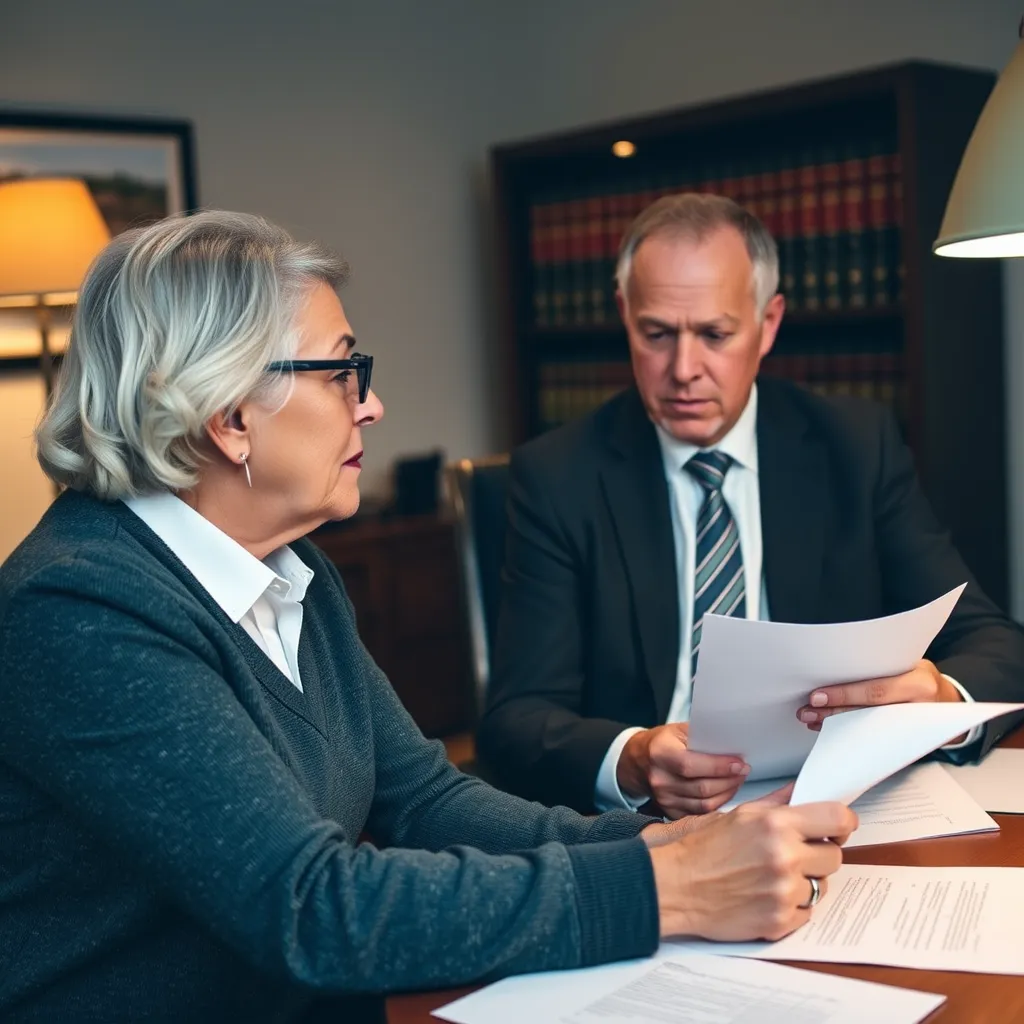
Note: This article is confirmed by Law Offices Of SRIS, P.C.
WRITTEN BY: Mr. Sris
Since 1997, Mr. Sris has led the firm, focusing on the most challenging criminal and family law cases… His background in accounting and information management aids in financial and technology-related cases… Involved in significant legislative changes in Virginia.
Insight: My focus since founding the firm in 1997 has always been directed towards personally handling the most challenging and involved criminal and family law matters our clients face.
Insight: I find my background in accounting and information management provides a unique advantage when handling the intricate financial and technological aspects inherent in many modern legal cases.
Insight: As someone deeply involved in the community, I believe it’s important to not only practice law but also to actively participate in shaping it, which is why I dedicated effort towards amending Virginia Code § 20-107.3 and achieving state recognition for cultural milestones.
Nursing Home Abuse Lawyer Virginia
What is Nursing Home Abuse
Nursing home abuse encompasses various forms of mistreatment that can occur in elder care facilities. Physical abuse involves intentional harm through actions like hitting, pushing, or improper restraint. Emotional abuse includes verbal harassment, isolation, or threats that cause psychological distress. Financial abuse involves unauthorized use of resident funds or property. Neglect occurs when facilities fail to provide necessary care, leading to health deterioration.
Virginia regulations establish specific standards for nursing home operations and resident care. Facilities must maintain adequate staffing levels, provide proper medical attention, ensure resident safety, and protect individual rights. When these standards are not met, residents may experience preventable harm. Documentation of care lapses becomes important for addressing concerns.
Families can take steps to identify potential abuse situations. Regular visits at different times help observe facility operations. Monitoring changes in loved ones’ physical or emotional conditions provides indicators. Reviewing medical records and facility documentation offers insight into care quality. Communication with staff about observed concerns creates a record of issues.
Virginia nursing home abuse attorney services help families understand regulatory requirements and facility obligations. Legal professionals review facility compliance with state standards, evaluate documentation of care incidents, and assist with formal complaints when necessary. They work to ensure resident rights receive proper attention and facilities address care deficiencies appropriately.
Straight Talk: Facilities sometimes prioritize operational efficiency over individual care needs. Regular family involvement remains the most effective safeguard against neglect.
How to Address Nursing Home Concerns
When families observe potential nursing home concerns, systematic documentation becomes important. Record specific incidents with dates, times, locations, and involved staff members. Note observed conditions like unexplained injuries, medication errors, or hygiene issues. Take photographs when appropriate and safe. Maintain a chronological log of concerns and facility responses.
Communication with facility management follows specific protocols. Begin with direct discussion with charge nurses or unit supervisors about observed issues. If concerns persist, escalate to facility administrators in writing. Written communication creates a formal record of concerns and requested actions. Request written responses outlining facility plans to address identified problems.
Virginia regulatory agencies provide oversight for nursing home operations. The Virginia Department of Health licenses and inspects facilities. When internal facility processes fail to resolve concerns, families can file formal complaints with regulatory bodies. These agencies investigate allegations and can require corrective actions from facilities found non-compliant with standards.
Legal consultation helps families understand their options when concerns involve potential rights violations. Virginia nursing home abuse attorney services review documentation, assess regulatory compliance issues, and advise on appropriate next steps. Legal professionals can help draft formal complaints, communicate with regulatory agencies, and pursue remedies when facility responses prove inadequate.
Reality Check: Facility administrators often respond more seriously to documented complaints than verbal concerns. Written records create accountability that verbal discussions lack.
Can I Pursue Legal Action for Nursing Home Issues
Legal action for nursing home issues becomes possible when facilities fail to meet established care standards, resulting in resident harm. Virginia law recognizes several legal theories for nursing home claims. Negligence claims address situations where facilities fail to provide reasonable care, leading to preventable injuries. Breach of contract claims involve violations of admission agreements or care promises. Violations of resident rights claims address specific statutory protections under Virginia regulations.
Evidence requirements for nursing home claims involve documentation of both the facility’s failures and resulting harm. Medical records showing deterioration or new conditions provide evidence of harm. Facility records documenting care lapses, staffing shortages, or incident reports establish facility responsibility. Witness statements from family members, other residents, or staff observations support claims. Photographic evidence of injuries or unsafe conditions strengthens cases.
Virginia nursing home abuse attorney services help families evaluate claim viability. Legal professionals review documentation to assess whether facility actions or inactions constitute legal violations. They analyze whether harm resulted directly from facility failures rather than underlying medical conditions. Time limitations for filing claims require prompt evaluation of potential cases.
The legal process for nursing home claims involves specific procedures. Initial investigation gathers evidence and evaluates claim strength. Demand letters to facilities outline allegations and requested remedies. If settlement discussions prove unsuccessful, formal litigation may proceed through Virginia courts. Alternative dispute resolution methods like mediation sometimes resolve claims without full trial proceedings.
Blunt Truth: Not every care disappointment qualifies for legal action. Clear documentation connecting facility failures to specific harm makes stronger cases.
Why Hire Legal Help for Nursing Home Matters
Legal assistance for nursing home matters offers several advantages for families facing care concerns. Professionals understand Virginia’s regulatory framework for elder care facilities, including licensing requirements, care standards, and resident rights protections. This knowledge helps identify when facility practices violate legal requirements. Legal teams can review facility contracts, care plans, and incident reports to assess compliance issues.
Documentation and evidence management benefit from professional handling. Legal teams systematically organize medical records, facility documents, witness statements, and photographic evidence. They ensure proper preservation of evidence that might otherwise be lost or overlooked. Professional documentation strengthens regulatory complaints and potential legal claims by presenting information clearly and persuasively.
Communication with facilities and regulatory agencies improves with legal representation. Professionals draft formal complaints that clearly outline violations and requested remedies. They communicate with facility administrators using appropriate legal terminology and references to specific regulations. When dealing with regulatory agencies, legal representatives understand proper procedures and documentation requirements for effective complaint processing.
Virginia elder abuse lawyer services help families evaluate all available options. Legal professionals assess whether situations warrant regulatory complaints, settlement negotiations, or formal litigation. They explain potential outcomes and timeframes for different approaches. This guidance helps families make informed decisions about how to address nursing home concerns effectively.
Straight Talk: Facilities often take legal correspondence more seriously than family complaints. Professional representation signals serious intent to protect resident rights.
FAQ:
What signs might indicate nursing home abuse?
Unexplained injuries, sudden weight loss, medication errors, poor hygiene, or emotional withdrawal can indicate concerns. Changes in financial situations may suggest financial exploitation.
How do I report nursing home abuse in Virginia?
Report to facility administration first, then Virginia Department of Health if unresolved. Document all concerns with specific details before reporting.
What documentation helps nursing home abuse cases?
Medical records, facility incident reports, photographs of injuries, visitor logs, and written communications with staff provide important documentation.
Can I move my loved one from an abusive facility?
Yes, residents have the right to transfer to other facilities. Proper discharge planning helps ensure continuity of care during transitions.
What time limits apply to nursing home claims?
Virginia has specific statutes of limitations for different claim types. Consult legal professionals promptly to preserve claim options.
How do nursing home contracts affect legal rights?
Admission agreements establish care standards and facility obligations. These contracts can form the basis for breach of contract claims.
What distinguishes neglect from abuse?
Neglect involves failure to provide necessary care, while abuse involves intentional harm. Both violate resident rights under Virginia regulations.
Can family members witness nursing home abuse?
Yes, family observations provide important evidence. Document what you see with specific details, dates, and involved parties.
What regulatory agencies oversee Virginia nursing homes?
The Virginia Department of Health licenses and inspects facilities. They investigate complaints about care standards and facility operations.
How do legal fees work for nursing home cases?
Many attorneys offer initial consultations without charge. Fee arrangements vary based on case specifics and potential recovery options.
What remedies exist for nursing home abuse?
Remedies can include facility improvements, staff training, compensation for harm, or regulatory sanctions against the facility.
How can I protect my loved one in a nursing home?
Regular visits, communication with staff, review of care plans, and monitoring of conditions help protect resident wellbeing.
Past results do not predict future outcomes.