
Note: This article is confirmed by Law Offices Of SRIS, P.C.
WRITTEN BY: Mr. Sris
Since 1997, Mr. Sris has led the firm, focusing on the most challenging criminal and family law cases. His background in accounting and information management aids in financial and technology-related cases. Involved in significant legislative changes in Virginia. My focus since founding the firm in 1997 has always been directed towards personally handling the most challenging and involved criminal and family law matters our clients face.
Premises Liability Lawyer Manassas, VA
What is Premises Liability
Premises liability refers to the legal responsibility property owners have for injuries that occur on their premises. This area of law requires property owners to maintain reasonably safe conditions for visitors. When owners fail to meet this standard, they may be held liable for resulting injuries. The concept applies to various property types including stores, restaurants, apartments, and private homes.
In Virginia, premises liability claims typically involve establishing that the property owner knew or should have known about a dangerous condition. The injured person must show the owner failed to address the hazard or provide adequate warning. Common examples include wet floors, uneven surfaces, poor lighting, or inadequate security measures. Each situation requires careful examination of the specific circumstances.
Property owners have different duties depending on the visitor’s status. Invitees (those with permission for business purposes) receive the highest protection. Licensees (social guests) receive less protection, while trespassers receive minimal protection. Understanding these distinctions helps determine potential liability. The law requires property owners to conduct regular inspections and address hazards promptly.
Legal claims require demonstrating several elements. First, the property owner must have owed a duty of care. Second, the owner must have breached that duty. Third, the breach must have caused the injury. Fourth, actual damages must have resulted. Gathering evidence such as photographs, witness statements, and maintenance records helps establish these elements.
Reality Check: Property owners often dispute liability claims. Insurance companies frequently challenge injury severity. Having proper documentation makes a significant difference in these situations.
How to Handle a Premises Liability Claim
After experiencing an injury on someone else’s property, taking appropriate steps helps protect your rights. First, prioritize medical attention for any injuries. Even seemingly minor injuries should receive professional evaluation. Medical records provide important documentation linking the incident to your injuries. Follow all treatment recommendations and keep detailed records of medical visits.
Document the incident scene thoroughly. Take photographs of the hazardous condition, your injuries, and the surrounding area. Note weather conditions, lighting, and any warning signs present. If possible, obtain contact information from witnesses who saw what happened. Write down your own detailed account while memories remain fresh. This documentation becomes valuable evidence.
Report the incident to the property owner or manager. Request a written incident report and obtain a copy. Avoid providing extensive statements or admitting fault. Simply state the facts of what occurred. Be cautious when discussing the incident with insurance representatives, as early statements can affect your claim.
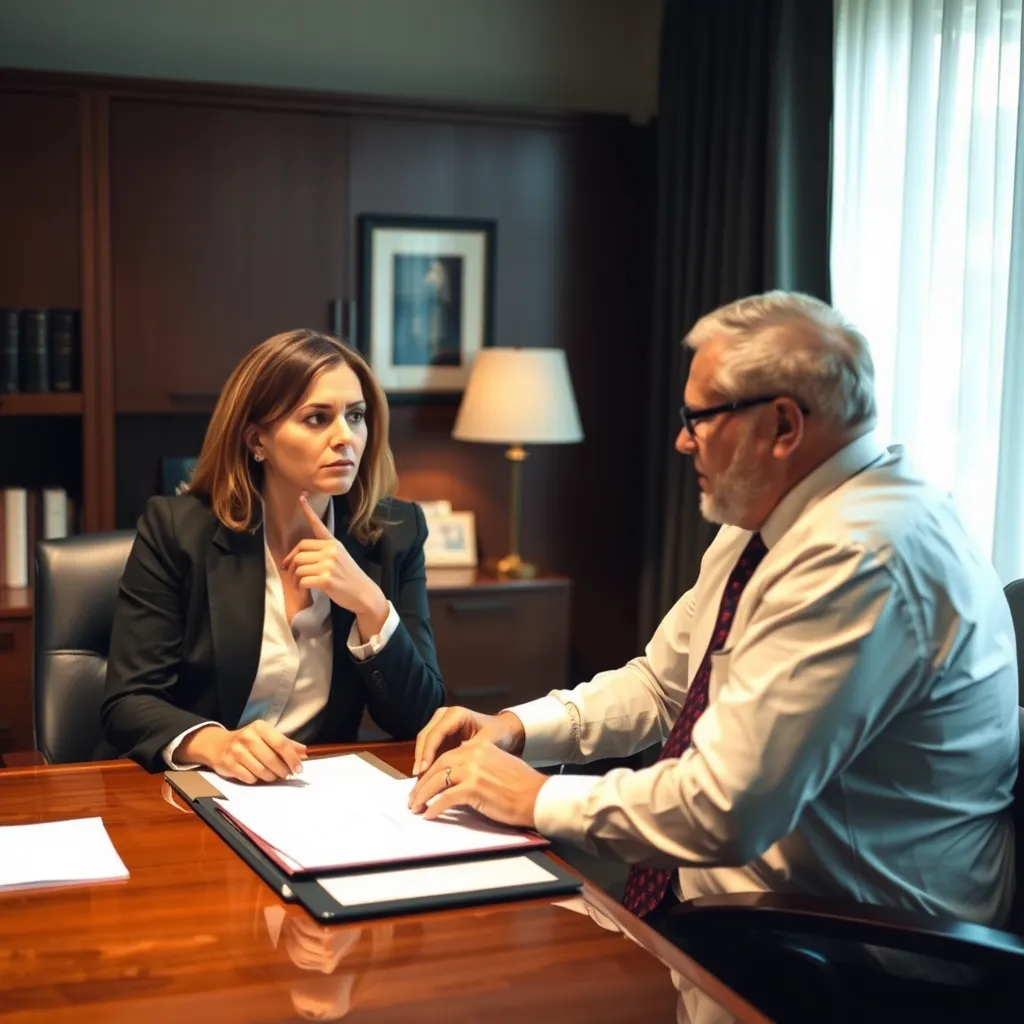
Consult with legal counsel experienced in premises liability matters. An attorney can evaluate your situation, explain your rights, and guide you through the process. They can help determine liability, identify responsible parties, and calculate appropriate compensation. Legal professionals understand insurance company tactics and can negotiate on your behalf.
Preserve all evidence related to the incident. Keep clothing and shoes worn during the incident. Maintain records of medical expenses, lost wages, and other costs. Track how the injury affects your daily activities and quality of life. This comprehensive documentation supports your claim for damages.
Straight Talk: Insurance adjusters may contact you quickly with settlement offers. These initial offers often undervalue claims. Having legal representation helps ensure fair consideration of all damages.
Can I Seek Compensation for Premises Injuries
Individuals injured on another’s property may seek compensation for various damages. Economic damages include quantifiable financial losses such as medical bills, rehabilitation costs, and lost income. These damages cover both past expenses and future anticipated costs. Documentation of all medical treatment and income loss strengthens these claims.
Non-economic damages address intangible losses like pain, emotional distress, and reduced quality of life. These damages recognize the personal impact of injuries beyond financial costs. Virginia law allows consideration of how injuries affect daily activities, relationships, and overall well-being. While more subjective than economic damages, they represent important aspects of recovery.
In cases involving particularly egregious conduct, punitive damages may apply. These damages aim to punish wrongful behavior rather than compensate the victim. Virginia courts award punitive damages only in specific circumstances involving willful or reckless conduct. Most premises liability cases focus on compensatory damages rather than punitive measures.
The compensation amount depends on several factors. Injury severity significantly influences potential recovery. More serious injuries typically warrant higher compensation. Clear evidence linking the property condition to the injury strengthens the claim. The property owner’s level of fault and the injured person’s own actions also affect compensation calculations.
Virginia follows contributory negligence rules, which can completely bar recovery if the injured person bears any fault. This strict standard makes thorough investigation and evidence collection particularly important. Legal counsel can help assess how these rules might apply to your specific situation.
Blunt Truth: Virginia’s contributory negligence rule means any fault on your part can eliminate recovery. This makes proper evidence collection and legal guidance especially important in these cases.
Why Hire Legal Help for Premises Claims
Professional legal assistance offers several advantages for premises liability claims. Attorneys possess knowledge of relevant laws and court procedures. They understand how to establish property owner liability and calculate appropriate damages. This knowledge helps build stronger cases and avoid common pitfalls that might undermine claims.
Legal professionals conduct thorough investigations to gather supporting evidence. They obtain maintenance records, security footage, and witness statements. Attorneys work with attorneys when necessary to reconstruct incidents or assess property conditions. This comprehensive approach strengthens claims and addresses potential defenses raised by property owners or insurers.
Insurance companies often employ strategies to minimize payouts. Attorneys familiar with these tactics can counter low settlement offers and negotiate effectively. They understand how to present evidence persuasively and advocate for fair compensation. Legal representation helps level the playing field against well-resourced insurance companies.
The legal process involves specific deadlines and procedural requirements. Missing deadlines or filing incorrect paperwork can jeopardize claims. Attorneys ensure compliance with all legal requirements, including statute of limitations deadlines. They handle documentation, court filings, and communication with opposing parties, reducing stress for injury victims.
Legal counsel provides objective assessment of claim value and settlement options. They explain potential outcomes and risks associated with different approaches. This guidance helps clients make informed decisions about whether to accept settlements or pursue litigation. Attorneys can also represent clients in court if settlement negotiations prove unsuccessful.
Reality Check: Property owners and insurers have legal teams working to limit liability. Having your own legal representation helps ensure your interests receive proper consideration throughout the process.
FAQ:
What constitutes a premises liability claim?
A premises liability claim arises when someone is injured due to unsafe property conditions that the owner knew or should have known about.
How long do I have to file a premises liability claim in Virginia?
Virginia generally allows two years from the injury date to file a premises liability lawsuit, but specific circumstances may affect this timeline.
What should I do immediately after a slip and fall accident?
Seek medical attention, document the scene with photos, report the incident to the property manager, and gather witness contact information.
Can I still recover damages if I was partially at fault?
Virginia follows contributory negligence rules, which may prevent recovery if you bear any fault for the incident.
What types of damages can I recover in a premises liability case?
Compensation may include medical expenses, lost wages, pain, and other losses resulting from the injury.
How do property owners typically defend against liability claims?
Defenses may include arguing the hazard was obvious, the injured person was trespassing, or the owner had no knowledge of the dangerous condition.
What evidence is important for a premises liability claim?
Important evidence includes photos of the hazard, medical records, witness statements, incident reports, and maintenance records.
How long does a premises liability case typically take?
Case duration varies based on challenge, injury severity, and whether settlement occurs or litigation becomes necessary.
What if the property is owned by a government entity?
Claims against government entities involve different procedures and shorter filing deadlines, requiring prompt legal attention.
Can I handle a premises liability claim without an attorney?
While possible, legal guidance helps handle involved laws, evidence requirements, and insurance company tactics effectively.
What makes a property condition legally hazardous?
A condition becomes hazardous when it presents unreasonable risk of harm that the owner knew or should have addressed.
How are settlement amounts determined in these cases?
Settlement amounts consider medical costs, lost income, injury severity, liability evidence, and impact on daily life activities.
Past results do not predict future outcomes