
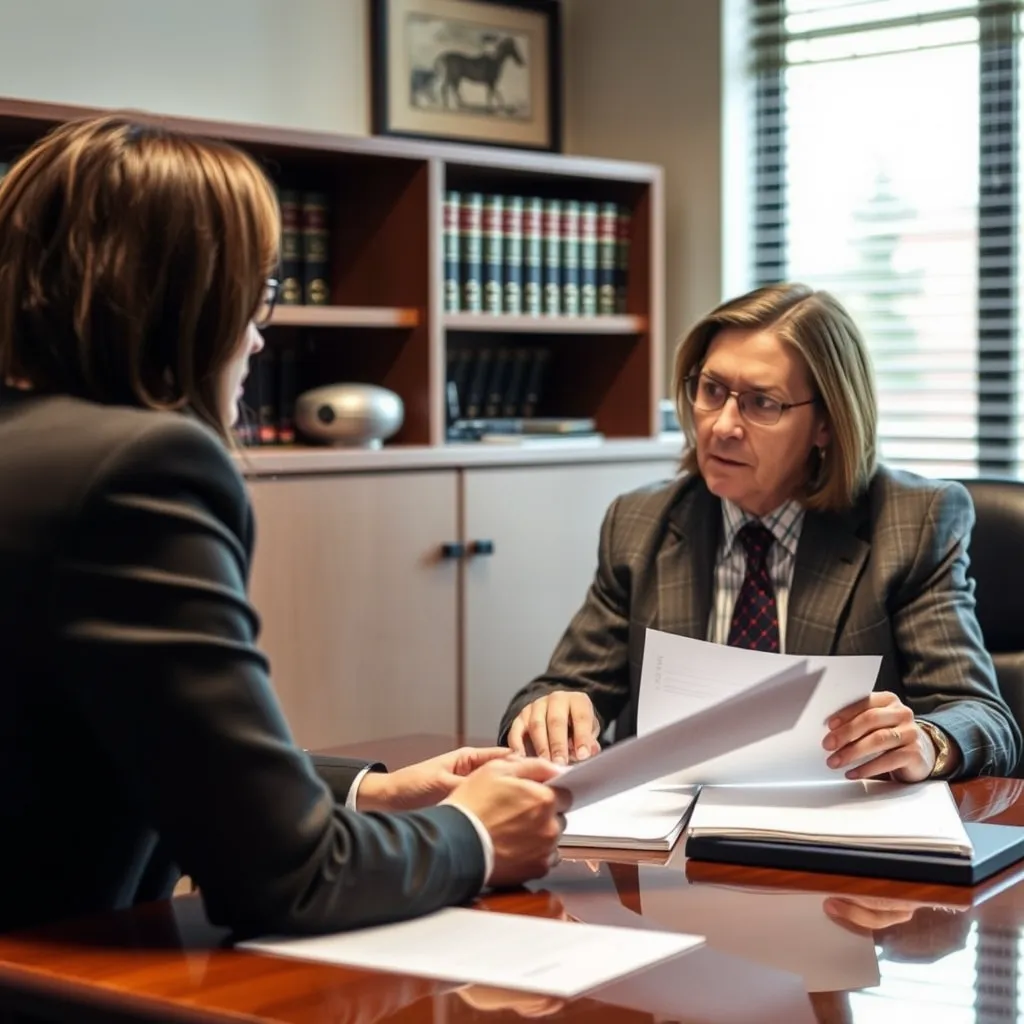
Note: This article is confirmed by Law Offices Of SRIS, P.C.
WRITTEN BY: Mr. Sris
Since 1997, Mr. Sris has led the firm, focusing on the most challenging criminal and family law cases… His background in accounting and information management aids in financial and technology-related cases… Involved in significant legislative changes in Virginia.
Insight: My focus since founding the firm in 1997 has always been directed towards personally handling the most challenging and involved criminal and family law matters our clients face.
Insight: I find my background in accounting and information management provides a unique advantage when handling the intricate financial and technological aspects inherent in many modern legal cases.
Insight: As someone deeply involved in the community, I believe it’s important to not only practice law but also to actively participate in shaping it, which is why I dedicated effort towards amending Virginia Code § 20-107.3 and achieving state recognition for cultural milestones.
Loss of Consortium Lawyer Manassas Park, VA
What is Loss of Consortium
Loss of consortium represents a legal concept addressing injury impacts on marital relationships. This claim type recognizes that serious injuries affect more than just physical health—they disrupt family connections and marital rights. When someone sustains significant injuries, the effects often extend to their spouse and family members.
These claims typically involve documenting how injuries change relationship dynamics. Physical limitations may prevent participation in shared activities. Emotional changes can affect communication and intimacy. Financial stresses from medical bills and lost income add additional pressure on relationships. Each of these factors contributes to the overall impact on marital companionship.
Legal processes for loss of consortium require establishing clear connections between injuries and relationship changes. Medical documentation shows injury severity and expected recovery timelines. Relationship evidence demonstrates pre-injury connection quality and post-injury changes. Financial records illustrate economic impacts affecting family life. Together, these elements build a comprehensive picture of relationship damages.
Professional guidance helps families understand their legal options. Virginia law recognizes loss of consortium as a valid claim type. Legal standards require demonstrating actual relationship impacts rather than theoretical damages. Time limitations apply to filing these claims, making timely action important.
How to Pursue Loss of Consortium Claims
Pursuing loss of consortium claims involves systematic legal procedures and evidence collection. The process begins with thorough documentation of relationship impacts. Families should record specific changes in daily interactions, shared activities, and emotional connections. Medical records must establish injury severity and expected recovery timelines.
Legal procedures require filing appropriate documentation within specified timeframes. Virginia law sets deadlines for personal injury claims that include loss of consortium components. Proper filing ensures claims receive consideration within legal parameters. Documentation should clearly connect injuries to specific relationship changes.
Evidence collection focuses on multiple relationship aspects. Medical documentation shows physical limitations affecting shared activities. Financial records demonstrate economic pressures impacting family life. Relationship evidence includes testimony about pre-injury connection quality and current relationship status. Each element contributes to establishing comprehensive damages.
Legal representation helps handle procedural requirements and evidence standards. Attorneys assist with documentation organization and claim preparation. They ensure all necessary elements receive proper attention and presentation. Professional guidance helps families understand what evidence matters most for their specific situation.
Compensation calculations consider various relationship impact factors. These may include loss of companionship, reduced household contributions, and emotional distress. Each element requires specific documentation and justification within legal frameworks.
Can I File Loss of Consortium Claims
Filing loss of consortium claims depends on specific legal qualifications and circumstances. Eligibility typically requires legal marriage status at the time of injury. The injured spouse must have sustained significant physical or emotional injuries affecting relationship dynamics. Relationship impacts must be documented and connected directly to injury effects.
Legal standards require demonstrating actual relationship changes rather than temporary difficulties. Minor injuries with quick recovery typically don’t qualify for loss of consortium claims. Serious injuries with long-term or permanent effects on relationship participation form the basis for valid claims. Documentation must show how injuries specifically affect marital companionship.
Time limitations apply to filing these claims. Virginia law sets deadlines for personal injury actions that include loss of consortium components. Missing these deadlines can prevent claim consideration regardless of merit. Timely action ensures legal rights receive proper protection.
Evidence requirements include medical documentation, relationship testimony, and financial impact records. Medical records establish injury severity and expected recovery timelines. Relationship evidence shows pre-injury connection quality and current relationship status. Financial documents illustrate economic pressures affecting family life.
Legal review helps determine claim viability and appropriate documentation needs. Attorneys evaluate injury severity, relationship impacts, and evidence availability. They provide guidance on claim preparation and filing procedures. Professional assessment helps families understand their legal options and realistic expectations.
Why Hire Legal Help for Loss of Consortium
Hiring legal help for loss of consortium claims provides essential guidance through challenging legal processes. These claims involve specific evidence requirements and procedural standards that benefit from professional handling. Legal representation helps families handle documentation needs and filing procedures effectively.
Professional assistance begins with case evaluation and evidence assessment. Attorneys review injury details, relationship impacts, and available documentation. They identify evidence gaps and recommend additional documentation collection. This systematic approach ensures comprehensive claim preparation.
Legal guidance continues through claim preparation and filing procedures. Attorneys help organize medical records, relationship testimony, and financial documents. They ensure proper presentation of evidence connecting injuries to relationship changes. Professional handling increases claim clarity and persuasiveness.
Compensation calculations benefit from legal experience with similar cases. Attorneys understand how courts evaluate relationship impacts and determine appropriate compensation amounts. They help families establish realistic expectations and pursue fair settlement discussions.
Procedural requirements receive proper attention with legal representation. Filing deadlines, documentation standards, and legal formalities receive careful handling. This reduces procedural errors that could affect claim consideration.
Ongoing support helps families manage claim processes while addressing injury recovery needs. Legal professionals handle administrative details, allowing families to focus on health and relationship adjustments.
FAQ:
What is loss of consortium?
Loss of consortium refers to legal claims for injury impacts on marital relationships and companionship rights.
Who can file loss of consortium claims?
Legally married spouses can file when injuries significantly affect relationship dynamics and marital companionship.
What evidence is needed for these claims?
Medical records, relationship testimony, and financial documents showing injury impacts on family life.
How long do I have to file a claim?
Virginia law sets specific deadlines for personal injury claims including loss of consortium components.
What damages can be claimed?
Compensation may include loss of companionship, household contributions, and emotional relationship impacts.
Do minor injuries qualify for claims?
Typically no—claims require serious injuries with significant relationship impacts.
How are compensation amounts determined?
Courts consider injury severity, relationship impact duration, and documented changes in marital companionship.
Can unmarried partners file claims?
Virginia law generally requires legal marriage status for loss of consortium claims.
What if injuries affect family relationships?
Loss of consortium specifically addresses marital relationships—other claims may address broader family impacts.
How do I start the claims process?
Begin with documentation collection and legal consultation to evaluate claim viability.
What if my spouse partially recovers?
Claims can address temporary relationship impacts during recovery periods.
Are these claims separate from injury claims?
They’re often included as additional damages in personal injury cases.
Past results do not predict future outcomes